Pain management focuses on identifying and treating sources of physical discomfort to improve daily functioning and quality of life. Many individuals experience chronic back issues that disrupt their routines and limit mobility. Medical professionals offer non-surgical treatments, such as spinal decompression therapy, to address specific spinal concerns, and they tailor care plans to individual needs. Here are some frequently asked questions about spinal decompression:
How Does Spinal Decompression Work?
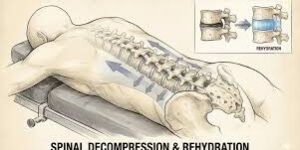
Spinal decompression therapy can relieve chronic back pain and improve spinal health. During a session, you lie on a motorized table, and a technician uses a harness to keep you in the correct position. The machine gently stretches the spine so that it changes the mechanical force and position of the spinal structure.
This precise stretching creates negative pressure within the spinal discs, which helps reduce internal compression. Retracting bulging or herniated disc material takes pressure off the surrounding nerves and reduces inflammation. As water, oxygen, and nutrient-rich fluids move into the discs, they assist the body’s natural healing process. Doctors can customize the pull force, angle, and relaxation cycles based on patient needs, and they adjust sessions according to your response. Multiple visits usually occur over several weeks to complete the full treatment protocol.
What Conditions Does It Treat?
Clinics use spinal decompression in various pain management plans for the neck and back. Your healthcare provider will evaluate your condition to determine if this treatment is right for you. Spinal decompression therapy can help with:
- Bulging, degenerating, or herniated discs in the lower back or neck
- Sciatica, which is pain that radiates down the back of the leg
- Worn spinal joints
- Injured or diseased nerve roots
Patients are typically guided through a step-by-step setup process that helps confirm proper positioning and comfort during each session. This allows the equipment to be adjusted precisely, and it maintains patient safety throughout treatment. The procedure remains consistent from visit to visit.
How Long Until I See Results?
Every patient responds differently to mechanical traction based on their physiology. Some people report a noticeable reduction in localized pain after just a few initial sessions, but others need to complete the entire treatment protocol. A standard therapy plan usually involves multiple sessions a week over four weeks. Your doctor monitors your progress during each scheduled visit. Physical therapy and home stretching exercises often accompany decompression sessions to build core muscle strength.
What Are the Risks?
Many patients tolerate the gentle stretching process well. Muscle spasms sometimes occur during or immediately after the active treatment phase, and you might experience mild muscle soreness. This reaction mimics the feeling you get after starting a brand-new workout routine at the gym. Severe side effects rarely happen during automated traction therapies. Some equipment features safety switches that allow you to stop the machine immediately if you feel sharp pain. Medical staff remain in the room or nearby to monitor your status, and they are prepared to adjust the settings to match your physical tolerance.
Visit a Pain Management Clinic
Finding the right approach to back pain starts with a comprehensive professional medical evaluation. A physician assesses your medical history and reviews your recent diagnostic imaging to determine if spinal decompression fits your situation and goals. Taking action early prevents minor back issues from progressing into severe daily limitations. Call a pain management clinic today to schedule a consultation.