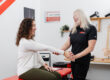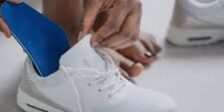
When athletes engage in running or jumping, they place stress on their feet and lower limbs. Orthotics are specialized shoe inserts, and they provide necessary support to manage this type of stress. These devices offer numerous benefits for active individuals. Because repetitive movement strains muscles, athletes rely on these inserts to maintain proper alignment, and this support helps them stay active without pain.
Understanding Orthotic Inserts
Because every foot is unique, orthotics provide tailored support to the arches and heels. These medical devices alter the way your foot strikes the ground. They change foot mechanics, and this adjustment relieves pressure on targeted areas.
Specialists categorize these inserts into a few main types. If a patient needs rigid support, doctors prescribe functional inserts to control motion. Accommodative inserts use softer materials, and they provide extra cushioning for sore spots. While functional types help with joint pain, accommodative versions treat conditions like diabetic foot ulcers, and both types improve overall mobility.
Identifying Common Conditions
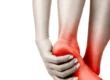
Active individuals develop various foot issues, and medical professionals prescribe inserts to treat them. Plantar fasciitis causes severe heel pain. Since the plantar fascia band becomes inflamed, patients need extra arch support to heal. When runners experience shin splints, the shinbone sustains microtears, so doctors recommend supportive inserts to absorb the shock.
Other conditions also respond well to this medical treatment. Knee pain stems from poor foot alignment, and corrective inserts fix the underlying mechanical issue. Before an injury worsens, patients should seek professional medical advice. Doctors treat several conditions with these devices:
- Bunions
- High arches
- Tendinitis
- Flat feet
- Hammer toes
- Sprained ankle
Exploring Athletic Benefits
Even if an athlete lacks a specific injury, they gain advantages from proper foot support. These inserts distribute body weight evenly across the foot. This even distribution reduces fatigue, and it helps runners maintain their endurance during long races. Although basic athletic shoes offer some cushioning, custom inserts provide superior shock absorption, and this feature protects the joints from heavy force.
Comparing Custom Options
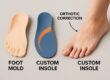
Pharmacies sell retail shoe inserts, but podiatrists create custom versions for individual patients. Retail options provide basic cushioning for minor discomfort. Since mass-produced inserts follow generic foot shapes, they cannot correct severe structural issues. When a doctor takes precise molds of your feet, custom inserts match your exact anatomy, and they correct specific biomechanical flaws.
Creating custom orthotics involves several steps to tailor them to your specific needs. Here’s how the process typically unfolds:
- Initial Consultation: A podiatrist will meet with you to discuss your symptoms, activity level, and any pain or discomfort you are experiencing. This step helps establish whether custom orthotics are the appropriate solution for your condition.
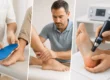
- Foot Examination and Gait Analysis: The doctor performs a detailed assessment of your feet, including their structure, alignment, and function. A gait analysis may also be completed to observe how you walk or run.
- Custom Foot Molding: Using advanced techniques, such as 3D imaging or foam impressions, precise molds of your feet are made. These molds capture the unique contours and structure of your feet to create orthotics designed specifically for you.
- Orthotic Fabrication: The molds are sent to a specialized laboratory where the orthotics are crafted. Materials are carefully selected based on your needs, whether for cushioning, support, or correction of specific biomechanical issues.
- Fitting and Adjustment: Once the custom orthotics are ready, you will return to your podiatrist for a fitting. Adjustments may be made to see that they are comfortable and provide the proper support.
- Follow-Up Care: Regular check-ins with your podiatrist may be scheduled to monitor your progress and make any necessary modifications to the orthotics over time.
This meticulous process results in orthotics that not only alleviate discomfort but also improve your overall foot health and functionality.
Find Your Orthotics Today
As active individuals push their bodies, they need proper foot support to prevent injuries. These inserts relieve pain, and they improve overall lower body mechanics. The right device can help you avoid injury and correct anatomical problems. If you want to learn more about the benefits of orthotics, consult a podiatrist in your area.