Sports injuries affect tissues such as muscles and ligaments, and they may require targeted medical intervention for full recovery. Platelet-rich plasma (PRP) therapy is a regenerative medicine treatment option that offers an alternative to conventional orthopedic treatments. Medical providers use this biological therapy to treat joint damage and soft-tissue tears. Here is more information on how this therapy treats sports injuries:
What Are Sports Injuries?
Sports injuries occur during physical activity, and they typically involve damage to the musculoskeletal system. These injuries include common issues like sprains, muscle strains, stress fractures, and joint dislocations. Damage to the affected tissues causes pain, localized swelling, and reduced mobility, disrupting quality of life. Patients with these conditions benefit from seeking treatments like PRP to accelerate healing.
How Are They Treated?
Medical professionals use several methods to treat sports injuries, with the specific approach depending on the severity of the tissue damage. Initial treatment often involves rest, ice application, compression, and elevation to reduce acute swelling. Physicians may also prescribe a physical therapy regimen, as it helps restore strength and flexibility in the injured area. If the injury does not respond to these initial therapies, doctors may explore more advanced clinical options, such as PRP.
What Is PRP?
PRP stands for platelet-rich plasma, a biological substance derived directly from human blood. Plasma is the liquid portion of the blood, and it contains high concentrations of circulating platelets. Platelets play a key role in normal blood clotting, and they contain specific proteins called growth factors. These specialized growth factors regulate cell division, promote tissue regeneration, and accelerate local healing.
The high concentration of growth factors gives the plasma its powerful regenerative properties. Human blood typically contains a baseline platelet count, but clinical centrifugation increases it. The final therapeutic solution contains a high concentration of platelets, benefiting the cellular repair process.
How Does It Work?
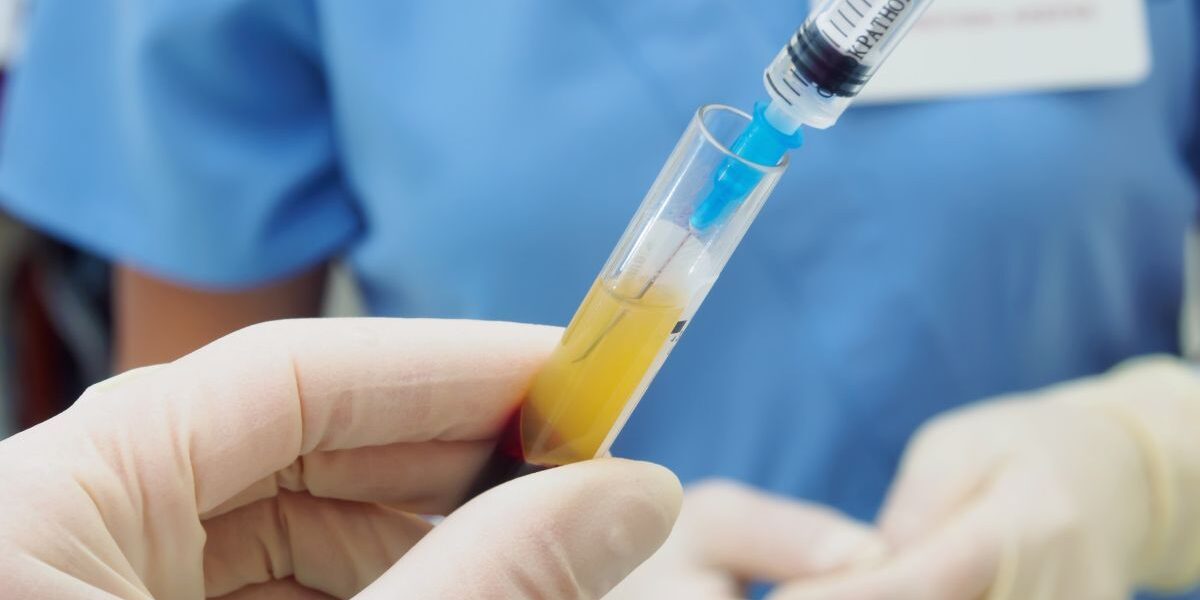
The clinical procedure begins with a standard blood draw from the patient’s arm. Medical staff place the collected blood sample in a specialized centrifuge, which spins the sample at precisely controlled speeds. This rapid spinning separates the platelets from the red blood cells, and it concentrates them in the remaining plasma. A physician then injects the concentrated plasma directly into the site of the sports injury.
Once the injection is complete, the active growth factors are released directly into the damaged tissue. These proteins stimulate the body’s natural repair mechanisms, so the tissue begins to regenerate at an accelerated rate. The concentrated platelets actively attract restorative stem cells to the specific injury site. The newly formed cells replace the damaged tissue and restore structural integrity over time.
What Are the Benefits?
PRP therapy utilizes the patient’s own biological material, so the risk of an allergic reaction or rejection is low. The injection procedure is minimally invasive and requires a quick recovery period. Patients may experience measurable reductions in pain and joint inflammation after receiving the specific injections, improving their quality of life. This clinical treatment targets the underlying cellular damage rather than just masking the physical symptoms.
Consult a Specialist Today
Regenerative medicine offers alternative approaches to healing. A thorough evaluation by a medical professional determines whether you are a suitable candidate for PRP therapy. The physician reviews your comprehensive medical history, examines the current injury, and formulates a specific treatment plan. Contact a specialized regenerative medicine clinic today and learn more about your treatment options.