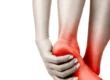
Joint pain can disrupt daily routines and reduce mobility. Among the various types of arthritis, gout stands out due to the sudden and severe discomfort it causes. Although many associate this condition with older adults, it impacts individuals across multiple age demographics. Recognizing the symptoms early allows patients to seek timely intervention. The condition frequently targets the base of the large toe and results in localized swelling, redness, and severe aching.
What Is Gout?
Gout is a form of inflammatory arthritis caused by an excess of uric acid in the blood. The human body naturally produces uric acid while breaking down purines, chemicals found in certain foods. The kidneys normally filter this waste product, and it exits the body through urine.
When the body generates too much uric acid or the kidneys fail to remove an adequate amount, blood levels rise. This surplus leads to the formation of microscopic, sharp crystals. These crystals tend to settle in joints located in the extremities of the body, and the joint connecting the big toe to the foot is the most common site for an attack. Over time, these crystals can form hard nodules called tophi, which have the potential to permanently damage the affected area.
How Does It Affect People?
The defining characteristic of an attack is sudden, intense joint inflammation. Patients typically experience extreme pain, swelling, and redness. Following the initial spike in pain, the joint may remain sensitive for several weeks. Flare-ups tend to happen more frequently without intervention and can spread to other joints.
Impact on Younger Adults
Individuals in their twenties and thirties may develop this condition; the onset is typically linked to genetic predispositions or specific lifestyle factors. High consumption of purine-rich foods, such as organ meat, shellfish, alcohol, and sugary beverages, elevates the risk. Early-onset hypertension or obesity also contributes to rising uric acid levels in younger patients.
Impact on Middle-Aged Adults
Middle-aged men are particularly susceptible due to naturally higher baseline levels of uric acid. At this stage of life, the cumulative effects of diet, body weight, and concurrent medical conditions like diabetes or kidney disease begin to manifest. For women in this age bracket, the onset of menopause triggers hormonal shifts that reduce the body’s ability to excrete uric acid, which leads to a marked increase in diagnosis rates.
Impact on Older Adults
Seniors experience the highest prevalence of this inflammatory arthritis. Decades of micro-crystal accumulation can result in chronic joint pain, manifesting in the visible formation of tophi. Older adults may take multiple prescription medications for other ailments, such as diuretics for heart conditions, which inadvertently elevates uric acid levels.
How Is It Treated?
Managing this condition involves a combination of dietary adjustments and medical therapies. Medical professionals typically advise patients to limit their intake of high-purine items. Maintaining a healthy body weight plays a significant role in reducing stress on the joints and improving overall metabolic function. For acute attacks, physicians prescribe specific medications designed to target inflammation and provide rapid pain relief. Early and consistent medical intervention prevents the progression of the disease and protects the joints from permanent structural damage.
Meet With a Podiatrist
Ignoring recurring joint pain can lead to severe mobility restrictions and a diminished quality of life. Seeking evaluation from a specialist provides access to accurate diagnostic tools, which confirm the presence of uric acid crystals definitively. A podiatrist will evaluate your specific medical history, age-related risk factors, and lifestyle to create a tailored management plan. Through personalized care, patients can achieve sustained relief and protect their joints from long-term deterioration.