Heart disease is often thought of as a man’s problem, but it’s the leading cause of death among women worldwide. Despite this, many women do not recognize the warning signs because they can differ from the classic symptoms often seen in men. Understanding these signs is crucial for early detection and prevention.
Why Heart Disease Affects Women Differently
Women’s hearts and blood vessels differ from men’s in size, function, and hormonal influences. This means that heart disease in women may present differently. For example, while men often experience classic chest pain during a heart attack, women may have subtler symptoms that can be easily overlooked.
Hormones, especially estrogen, play a protective role in heart health before menopause. After menopause, the risk of heart disease increases significantly. Factors like diabetes, high blood pressure, smoking, and stress also put women at higher risk.
Common Signs of Heart Disease in Women
Here are the most common signs that women should be aware of:
1. Unusual Fatigue
Feeling unusually tired without a clear reason can be an early sign of heart disease in women. This fatigue may appear suddenly and persist even after rest. Women often dismiss it as part of daily life, but if the fatigue is persistent or worsening, it’s worth consulting a doctor.
2. Shortness of Breath
Shortness of breath can happen even without physical exertion. Women with heart disease may notice they get winded climbing stairs, carrying groceries, or during light activity. Sometimes, this symptom appears before chest discomfort.
3. Chest Discomfort or Pain
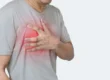
While chest pain is a common symptom in both men and women, women often experience it differently. They may feel pressure, tightness, or a squeezing sensation rather than sharp pain. The discomfort may also appear in the neck, jaw, back, or stomach.
4. Pain in Other Areas
Heart-related pain in women often spreads beyond the chest. Pain or discomfort in the neck, jaw, shoulder, upper back, or arms can indicate heart disease. Some women even feel stomach or abdominal pain, which can be mistaken for indigestion.
5. Nausea or Vomiting
Feeling sick to your stomach or vomiting can be a sign of heart problems, especially during a heart attack. Women are more likely than men to experience nausea as a primary symptom.
6. Lightheadedness or Dizziness
Sudden dizziness, fainting, or feeling lightheaded can occur if the heart isn’t pumping effectively. This symptom may be accompanied by palpitations or a rapid heartbeat.
7. Sweating
Breaking out in a cold sweat for no apparent reason, sometimes called “cold sweat,” can be an early warning of heart issues. This symptom is particularly concerning if it appears along with fatigue, nausea, or dizziness.
8. Swelling in Legs or Feet
Heart disease can cause fluid retention, leading to swelling in the legs, ankles, or feet. This happens because the heart struggles to pump blood efficiently, causing fluid buildup.
9. Irregular Heartbeat
An irregular heartbeat, or palpitations, can be a subtle sign of heart disease. Women may feel like their heart is racing, fluttering, or skipping beats. While sometimes harmless, persistent palpitations should be checked by a doctor.
10. Sleep Problems
Women with heart disease may experience insomnia or restless sleep, often due to difficulty breathing or discomfort. Poor sleep can worsen heart health over time.
Risk Factors for Women
Understanding your risk factors is key to prevention. Common risk factors for women include:
- High blood pressure (hypertension)
- High cholesterol
- Diabetes
- Smoking
- Obesity
- Sedentary lifestyle
- Stress and depression
- Family history of heart disease
- Menopause and hormonal changes
Even if you don’t have chest pain, having one or more of these risk factors can increase your likelihood of developing heart disease.
How to Reduce Your Risk
Preventing heart disease starts with healthy lifestyle choices:
- Eat a Heart-Healthy Diet
Focus on fruits, vegetables, whole grains, lean proteins, and healthy fats. Limit processed foods, salt, and sugary drinks. - Stay Physically Active
Aim for at least 150 minutes of moderate exercise per week. Walking, swimming, cycling, or yoga are excellent options. - Manage Stress
Chronic stress can affect heart health. Practice meditation, deep breathing, or mindfulness exercises. - Avoid Smoking and Limit Alcohol
Smoking significantly increases heart disease risk. Alcohol should be consumed in moderation, if at all. - Monitor Your Health
Keep track of blood pressure, cholesterol, and blood sugar levels. Regular check-ups can detect early warning signs. - Know Your Body
Pay attention to any unusual symptoms, even if they seem minor. Early detection saves lives.
When to Seek Medical Help
If you experience persistent chest discomfort, shortness of breath, dizziness, or nausea, seek medical attention immediately. Don’t wait for symptoms to pass. Heart attacks in women can be subtle, and early treatment can save lives.
Even mild or unusual symptoms that appear over days or weeks should be discussed with a healthcare professional. Trust your instincts—women often know when something isn’t right.
FAQs About Heart Disease in Women
1. Are heart attacks different in women and men?
Yes. Women are more likely to experience atypical symptoms like fatigue, nausea, and jaw or back pain, rather than classic chest pain.
2. Can young women get heart disease?
While risk increases with age, young women with risk factors such as obesity, diabetes, smoking, or family history can develop heart disease.
3. How is heart disease diagnosed in women?
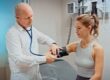
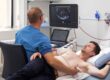
Doctors use tests like ECGs, blood tests, stress tests, echocardiograms, and sometimes advanced imaging to diagnose heart disease.
4. Can heart disease be prevented?
Yes. Healthy lifestyle habits, regular screenings, and managing risk factors significantly reduce the risk of developing heart disease.
5. What lifestyle changes are most effective?
A balanced diet, regular exercise, avoiding smoking, managing stress, and maintaining a healthy weight are the most effective changes.
Conclusion
Heart disease in women often presents differently from men, making awareness crucial. Subtle symptoms like fatigue, shortness of breath, nausea, or jaw pain should not be ignored. Regular check-ups, a healthy lifestyle, and listening to your body are the best ways to prevent and detect heart disease early.
By understanding the signs of heart disease in women, you can take proactive steps to protect your heart and improve your long-term health. Remember, your heart matters, and early action saves lives.