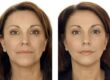
Botox is a purified protein derived from the botulinum toxin, and it is widely used in the cosmetic industry to temporarily reduce the appearance of facial wrinkles. For cosmetic purposes, providers administer it specifically to target dynamic wrinkles, which are the lines that form from repetitive facial movements like frowning, smiling, or squinting. By understanding the basics of this procedure, you can make informed decisions about your cosmetic care and help meet your aesthetic goals.
How Botox Works
To understand the results of this treatment, it helps to look at the underlying mechanics. Your brain sends a signal to your facial muscles to contract when you make a facial expression. Over time, these repetitive contractions cause the overlying skin to fold, and this creates visible lines.
Botox works by interfering with this communication pathway. Once injected into a specific muscle, the product blocks the release of a chemical messenger called acetylcholine. The nerve signals cannot reach the muscle without this messenger, and as a result, the targeted muscle remains in a relaxed state. This relaxation allows the skin above the muscle to smooth out, temporarily minimizing the appearance of existing lines. It also prevents new lines from forming as deeply. Botox remains localized to the injection site and does not affect the nerves responsible for sensory feeling.
What to Expect During Treatment
A typical session is straightforward and often completed within 30 minutes.
Here is what you can generally expect during your visit:
- Consultation: Your provider will discuss your goals, review your medical history, and evaluate your facial anatomy to determine the appropriate injection sites.
- Preparation: You may receive a topical numbing cream or ice to minimize discomfort.
- Injection: The provider cleans the targeted area and uses a fine needle to administer the injections.
- Post-treatment guidance: Your provider will provide specific instructions for the hours after your appointment.
After the injections, you can usually resume your standard daily activities immediately. Providers typically advise against rubbing the treated area, engaging in strenuous exercise, or lying down flat for a few hours. You will not see immediate changes before leaving the office. The product generally takes between one and three days to begin taking effect, with full results visible around the two-week mark.
How Often to Repeat Treatments
Botox is not a permanent solution for facial wrinkles. The body naturally metabolizes the protein over several months, and this gradually restores nerve signaling to the treated muscles. For most individuals, the visible effects last between three and four months.
Several factors influence how long a treatment lasts, including the specific area of the face treated, the number of units administered, your individual metabolism rate, and your natural facial muscle strength.
As muscle action gradually returns, the lines and wrinkles will begin to reappear. The effects wear off gradually over time, so you will need follow-up appointments to maintain the results. Many people establish a routine schedule with their provider. They book appointments every few months to keep a consistent appearance.
Ask a Botox Provider Today
Gathering accurate information is a helpful first step for any cosmetic procedure. A licensed and experienced professional can evaluate your specific facial structure and discuss your personal aesthetic goals. They can outline a precise treatment plan, and they are able to answer any lingering questions you might have. Reach out to a certified Botox provider today to schedule a consultation and learn exactly how this treatment aligns with your needs.