Platelet rich plasma therapy (PRP therapy) is a regenerative treatment that uses a concentrated sample of a patient’s own blood to support tissue repair and healing. During a session, a provider may draw blood, process it, and inject it into the targeted area based on the patient’s condition and treatment goals. Here is a closer look at what to expect from PRP therapy sessions:
Exploring Pre-Treatment Evaluation
Before beginning platelet rich plasma therapy, a thorough pre-treatment evaluation is fundamental to making sure the procedure is appropriate and tailored to the patient’s specific needs. Here’s what patients can expect:
- Medical history review: The doctor examines your previous health records to make sure you qualify for the specific treatment.
- Physical examination: The clinical staff assesses the affected joint, and they document the exact location of the physical pain.
- Medication adjustment: You may need to stop taking certain anti-inflammatory drugs before the appointment so that the treatment remains highly effective.
This preliminary stage is a key part of the overall medical process, and it establishes a safe foundation for subsequent clinical steps.
Preparing the Blood Sample
The clinical team initiates the active phase of platelet rich plasma therapy with a standard blood draw. A nurse draws a small volume of blood from your arm; the collected blood is immediately placed in a centrifuge. This machine spins the sample at high speeds, and the rapid rotation separates the specific fluid components by weight. While the centrifuge operates, the heavier red blood cells move away from the lighter plasma layer. The centrifuge concentrates the active growth factors, and it prepares the fluid for the final medical application. After the machine stops, the medical provider extracts the concentrated layer for the upcoming injection step.
Understanding the Injection Steps
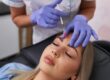
The medical provider prepares the injection site with a sterile cleaning solution. They may apply a local anesthetic to the skin, or they may use a numbing spray to reduce surface discomfort. When the anatomical area is completely numb, the doctor prepares the specialized syringe.
Imaging technology often guides the physician during the placement of the medical needle. Providers may use ultrasound machines to visualize internal joint structures, and this equipment supports precise positioning within the damaged tissue. As the doctor visualizes the internal joint space, they administer the concentrated fluid directly into the precise location.
The clinical staff monitors your vital signs throughout the brief procedure, and they maintain a controlled medical environment. The medical team applies a sterile bandage over the injection site after the needle is removed. While you remain on the clinical examination table, the provider checks the puncture location for any immediate physical reactions.
Guiding Recovery and Follow-Up
Recovery and follow-up care are key components of promoting a successful outcome after PRP therapy. Patients are advised to follow specific guidelines during the recovery period and adhere to scheduled follow-up appointments for a comprehensive evaluation of their progress. Patients may receive the following instructions:
- Rest period: Patients must rest the treated area for a few days to make sure the fluid remains in the intended location.
- Pain management: The doctor may recommend basic pain relievers, but you must avoid specific anti-inflammatory medications.
- Physical therapy: A structured movement program often begins after a short waiting period to restore normal joint function.
Following these clinical guidelines is fundamental to optimal physical recovery and maximizes the final medical outcome.
Schedule Your Platelet Rich Plasma Therapy Appointment
To achieve the best outcomes from PRP therapy, it is fundamental to adhere to the recommended guidelines. Guidelines may include preparation protocols, post-procedure care, and supportive treatments like physical therapy. These steps are fundamental in promoting healing, minimizing complications, and promoting optimal recovery. Contact a qualified pain specialist near you to schedule your PRP therapy appointment today.