PRP therapy for hair restoration is one of several non-surgical approaches used to address thinning hair and support healthier growth. This treatment uses components from a patient’s own blood to target the scalp, potentially encouraging follicle activity and improving overall hair density. Here’s a closer look at the role of PRP therapy in promoting hair growth:
Supporting Hair Growth
Medical professionals use a systematic approach to extract and prepare the biological materials used during a PRP therapy for hair restoration procedure. Here’s what patients can expect:
- Blood collection: The physician draws a small volume of blood from the patient’s arm. This is a quick process, and it provides the raw biological material required for the extraction phase.
- Centrifugation process: A centrifuge spins the blood sample rapidly to separate its individual components. After the machine stops, the doctor carefully extracts the concentrated plasma, which holds the key growth factors.
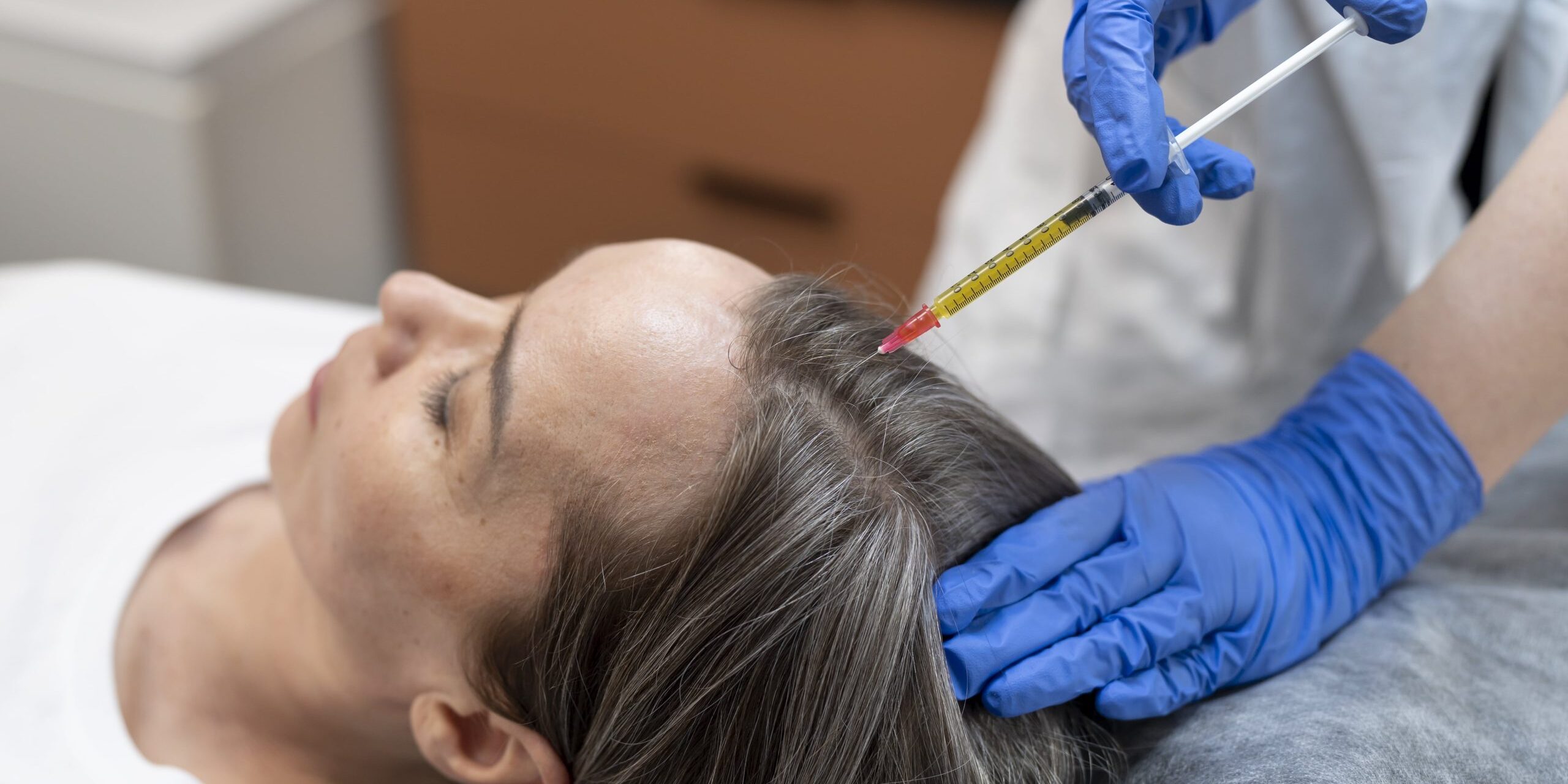
- Targeted injection: The dermatologist injects the purified plasma directly into the specific areas of the scalp experiencing thinning. The precise delivery targets the follicles, and it introduces the concentrated proteins into the tissue.
The organized biological delivery system provides a concentrated dose of healing factors directly to the affected tissues. The localized application forces the follicles into an active growth phase.
Defining Treatment’s Role
Dermatologists integrate platelet-rich plasma treatments into broader clinical strategies for managing alopecia and general hair thinning. This treatment is a helpful option for individuals experiencing early-stage hair density reduction. Clinicians routinely prescribe topical serums alongside the injections, and this combination can maximize the overall physiological response.
Maintenance is a fundamental aspect of ongoing scalp care. Patients schedule periodic clinic visits, and the physician administers booster injections to sustain renewed follicular activity. While some individuals rely solely on PRP therapy, others often combine it with oral medications. The specific direction depends entirely on the patient’s medical history, and the doctor will make sure the chosen interventions align with the patient’s physiological needs.
Highlighting Treatment Benefits
Patients undergoing PRP therapy often report a variety of clinical and structural improvements. The documented benefits are directly related to the biological effects of the concentrated growth factors on scalp tissue. Here are some of them:
- Increased hair density: The active growth factors stimulate dormant follicles to produce new hair shafts. The proliferation of new cells increases the overall number of active hairs and visibly improves scalp coverage.
- Enhanced shaft thickness: The biological components within the plasma strengthen the individual hair strands. Thicker hair shafts resist breakage, and they contribute to a more robust follicular structure.
- Natural physiological integration: The procedure uses the patient’s own biological material and avoids introducing synthetic chemicals. This autologous approach minimizes the risk of allergic reactions.
These clinical benefits present a compelling case for the use of biological therapies in dermatology.
Explaining Treatment Expectations
The clinical timeline for seeing objective improvements requires commitment and strict adherence to the medical schedule. Following the initial injections, biological changes begin at the cellular level. Patients rarely observe immediate physical changes, and the early stages of regeneration happen beneath the epidermal surface. As the weeks progress, the stimulated follicles slowly transition into the active anagen phase.
New hair generally becomes visible at the crown and hairline within two months. The initial growth often appears fine, and it gradually thickens as the biological cycle progresses. When the treatment enters the four-to-six-month window, the cumulative effects of the plasma become apparent, which results in objectively denser hair.
Explore PRP Therapy for Hair Restoration
This procedure uses specialized biological mechanisms to stimulate dormant follicles and improve overall scalp health. The application of concentrated growth factors provides a clinical approach for individuals experiencing early hair loss. Contact a board-certified dermatologist near you to schedule your consultation and explore PRP for hair loss today.