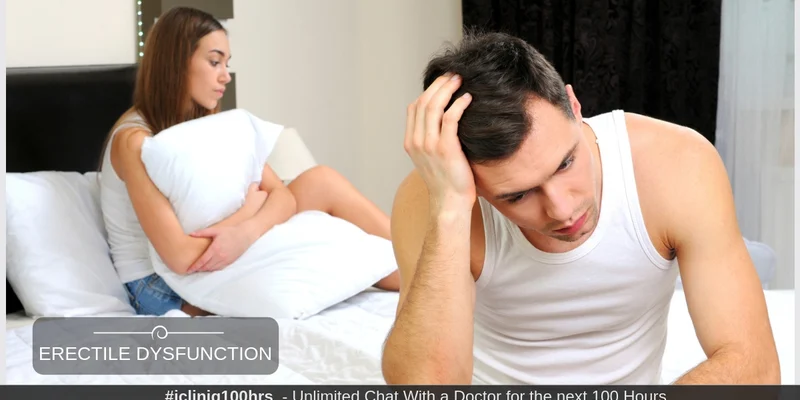
Erectile dysfunction (ED) is a common condition in men, and the risk of developing it increases with age. It can affect relationships, reducing overall quality of life. Understanding what causes it and how aging plays a role helps in finding the right treatment. Here is more information on the basics of ED, its causes and symptoms, and how the natural aging process factors into the condition:
What Is Erectile Dysfunction?
Erectile dysfunction is the consistent inability to achieve or maintain an erection firm enough for sexual activity. It differs from occasional difficulty, which is common and typically not a cause for concern. ED becomes clinically relevant when symptoms are persistent and begin to affect quality of life or relationships, and consulting a urologist helps with diagnosis and treatment.
What Causes It?
ED rarely has a single cause; in most cases, it results from a combination of physical, psychological, and lifestyle factors. Common physical contributors include cardiovascular disease, diabetes, hormonal imbalances, and neurological conditions, all of which affect blood flow or nerve signaling to the penis. Psychological factors such as stress, anxiety, and depression can also trigger or worsen ED. Lifestyle habits like smoking, excessive alcohol consumption, and physical inactivity further increase the risk. Identifying the root cause is key to finding the most effective treatment.
What Are the Symptoms?
The primary symptom is difficulty getting or keeping an erection. Some men also experience reduced sexual desire or notice that erections are less firm than they used to be. These changes may occur gradually or appear more suddenly, depending on the underlying cause. Additional signs include:
- Difficulty achieving an erection at all, even with stimulation
- Erections that do not last long enough for satisfactory sexual activity
- A noticeable decrease in morning erections
Symptoms that persist for more than a few weeks warrant a conversation with a urologist. Left unaddressed, ED can signal underlying health conditions that extend beyond sexual function.
What Role Does Aging Play?
Aging does not directly cause ED, but it does create conditions that make ED more likely. Testosterone levels decline gradually with age. Lower testosterone reduces sexual drive, and it can impair the physiological mechanisms behind erections. The aging body also produces less nitric oxide, a molecule that relaxes blood vessel walls and allows blood to flow into penile tissue.
Vascular health deteriorates over time. Atherosclerosis, or the narrowing of arteries due to plaque buildup, becomes more prevalent with age, and it may restrict blood flow to the genitals. Nerve sensitivity also diminishes, meaning the signals that trigger an erection may become slower or weaker. These changes accumulate gradually.
Aging also increases the likelihood of comorbid conditions that independently cause ED. Hypertension, type 2 diabetes, obesity, and heart disease become more prevalent with age, increasing the risk of developing erectile dysfunction. The interplay between aging and these conditions makes professional intervention valuable, and a urologist specializes in male-specific issues.
Learn More From a Specialist
Aging contributes to erectile dysfunction through hormonal shifts, reduced circulation, and the gradual onset of chronic disease, and these changes are treatable. Some men may respond well to lifestyle modifications, medication, hormone therapy, or a combination of approaches tailored to their specific situation. If you experience ED, schedule a consultation with a urologist for diagnosis and treatment.