Chronic Obstructive Pulmonary Disease, commonly called COPD, is a long-term lung condition that makes it hard to breathe. It is one of the leading causes of disability and affects millions of people worldwide. The disease gradually worsens over time, but understanding its symptoms and treatment options can help manage the condition and improve quality of life.
In this article, we will break down the main signs of COPD, the risk factors, and the treatments available. We will also provide helpful tips to cope with daily life while living with COPD.
What is COPD?
COPD is an umbrella term for a group of lung diseases, mainly chronic bronchitis and emphysema, that block airflow in the lungs. Over time, the airways become inflamed, thickened, or damaged, making it difficult for oxygen to reach the bloodstream.
Unlike asthma, which may come and go, COPD is progressive, meaning it tends to worsen over time. It is often caused by long-term exposure to irritants, such as cigarette smoke, air pollution, or chemical fumes.
Common Symptoms of COPD
COPD symptoms often develop slowly, so many people do not notice them at first. Here are the most common signs:
- Shortness of Breath (Dyspnea)
Feeling breathless, especially during physical activity, is one of the earliest and most common symptoms. At first, you may notice it only when climbing stairs, but as the disease progresses, it can happen even at rest. - Chronic Cough
A cough that lasts for several months, often producing mucus, is another hallmark of COPD. This cough may be worse in the morning and can make daily life uncomfortable. - Excess Mucus Production (Sputum)
The lungs produce more mucus as a defense mechanism. This can lead to coughing up thick phlegm, especially in the morning. - Wheezing
A high-pitched whistling sound when breathing, especially when exhaling, can indicate airway narrowing. - Chest Tightness
Some people feel a persistent heaviness or tightness in the chest. This can worsen during physical exertion or respiratory infections. - Fatigue
Breathing difficulties can drain energy, leading to chronic fatigue and reduced ability to perform daily tasks. - Frequent Respiratory Infections
COPD can make the lungs more vulnerable to colds, flu, and pneumonia.
It is important to see a doctor if these symptoms persist, as early diagnosis can slow disease progression.
Risk Factors for COPD
Certain factors increase the likelihood of developing COPD:
- Smoking: The leading cause of COPD worldwide.
- Secondhand smoke: Regular exposure to others’ smoke can also damage the lungs.
- Air pollution: Long-term exposure to polluted air can increase risk.
- Occupational hazards: Working with dust, chemicals, or fumes can contribute.
- Genetics: A rare condition called alpha-1 antitrypsin deficiency can make COPD more likely.
- Age: COPD usually develops in people over 40, as lung function gradually declines with age.
How is COPD Diagnosed?
Diagnosis begins with a medical history and physical examination. Your doctor may ask about your smoking habits, exposure to pollutants, and family history of lung disease.
Tests used to confirm COPD include:
- Spirometry: A lung function test measuring how much air you can exhale and how fast.
- Chest X-ray or CT scan: To look for lung damage or other lung conditions.
- Arterial blood gas test: Measures oxygen and carbon dioxide levels in the blood.
Early diagnosis is key to slowing the progression of COPD and reducing complications.
Treatment Options for COPD
While there is no cure for COPD, treatments can help manage symptoms, improve breathing, and prevent complications. Treatment typically involves a combination of medications, lifestyle changes, and sometimes medical procedures.
1. Medications
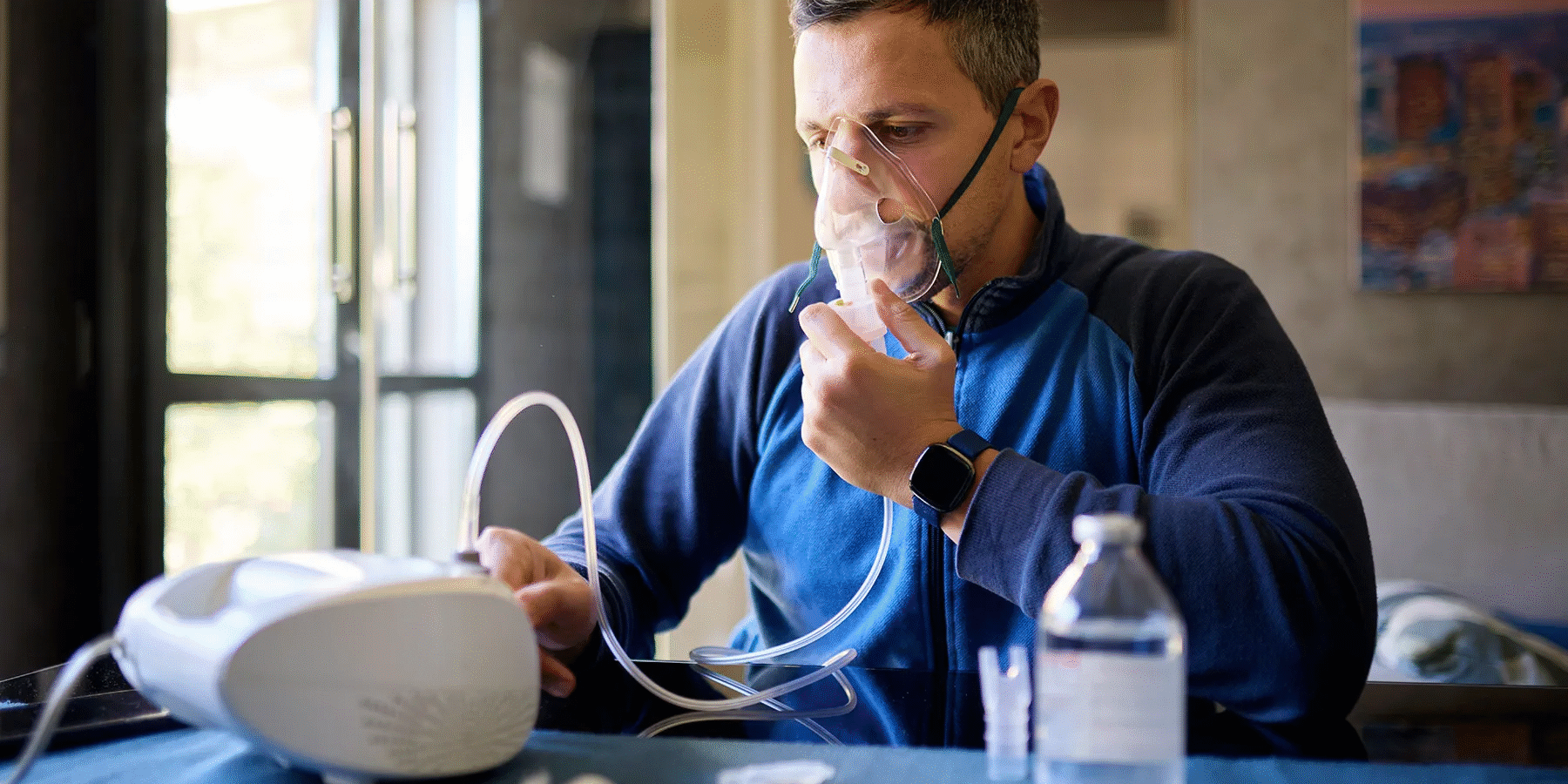
- Bronchodilators: These medicines relax the muscles around the airways, making breathing easier. They can be short-acting for quick relief or long-acting for daily control.
- Inhaled Steroids: Reduce airway inflammation and prevent flare-ups (exacerbations).
- Combination Inhalers: Some inhalers combine bronchodilators and steroids for more effective control.
- Phosphodiesterase-4 inhibitors: Help reduce inflammation and relax airways in severe cases.
- Antibiotics: Used during flare-ups caused by bacterial infections.
2. Pulmonary Rehabilitation
Pulmonary rehabilitation is a structured program that includes exercise training, breathing techniques, nutrition advice, and education. It helps improve lung function, physical endurance, and overall quality of life.
3. Oxygen Therapy
For patients with low blood oxygen levels, supplemental oxygen can help them breathe easier and improve daily activity tolerance.
4. Lifestyle Changes
- Quit smoking: The most important step in slowing disease progression.
- Healthy diet: A balanced diet helps maintain energy and prevents weight loss or muscle weakness.
- Regular exercise: Helps improve lung capacity and overall fitness.
- Avoid respiratory irritants: Stay away from polluted areas, dust, and chemical fumes.
5. Surgery (In Severe Cases)
In advanced COPD, surgical options may be considered:
- Lung volume reduction surgery: Removes damaged lung tissue to help the remaining lung function better.
- Lung transplant: In rare cases, a lung transplant may be an option for eligible patients.
Coping with COPD Daily
Living with COPD can be challenging, but some strategies can make daily life easier:
- Breathing techniques: Pursed-lip breathing and diaphragmatic breathing can help reduce shortness of breath.
- Plan activities: Pace yourself and avoid overexertion.
- Vaccinations: Flu and pneumonia vaccines help prevent infections.
- Support groups: Connecting with others who have COPD can provide emotional support and practical tips.
Prevention of COPD
Preventing COPD largely involves protecting your lungs:
- Never start smoking or quit immediately if you do.
- Avoid secondhand smoke and pollutants.
- Use protective equipment if exposed to dust or chemicals at work.
- Exercise regularly to keep lungs and heart healthy.
Frequently Asked Questions (FAQs)
1. Can COPD be cured?
No, COPD cannot be cured, but treatments can manage symptoms, slow progression, and improve quality of life.
2. Is COPD hereditary?
Most cases are linked to smoking, but rare genetic conditions like alpha-1 antitrypsin deficiency can increase risk.
3. How fast does COPD progress?
Progression varies by individual and depends on factors like smoking status, age, and treatment adherence. Early diagnosis can slow the decline.
4. Can exercise help with COPD?
Yes! Regular, moderate exercise improves lung function, stamina, and overall well-being. Pulmonary rehabilitation programs are especially effective.
5. When should I see a doctor for COPD symptoms?
If you experience chronic cough, frequent shortness of breath, or wheezing, it’s important to seek medical attention for evaluation and possible early treatment.
Conclusion
COPD is a serious but manageable lung disease. Recognizing symptoms early, seeking medical care, and following a tailored treatment plan can help you breathe easier and enjoy daily life. Lifestyle changes, medications, and rehabilitation programs are all part of effective management.
Even though living with COPD can be challenging, support, education, and proactive care can make a significant difference. Understanding your condition is the first step toward taking control of your health.