Our eyes are one of the most vital organs in our body. They allow us to experience the world in all its colors, shapes, and details. Yet, many adults often overlook the importance of regular eye exams. How often should adults get their eyes checked? The answer depends on age, health conditions, lifestyle, and family history. This article explores the topic in detail, helping you understand why regular eye exams are essential and how to determine the right frequency for yourself.
Why Eye Exams Are Important
Eye exams are not just about checking if you need glasses or contact lenses. They are comprehensive health checks that can detect early signs of eye diseases, some of which might not show symptoms until significant damage occurs. Conditions such as glaucoma, cataracts, diabetic retinopathy, and macular degeneration can be identified early through routine exams. Early detection is key because it allows treatment or lifestyle changes that can prevent vision loss.
Additionally, eye exams can reveal clues about your overall health. High blood pressure, diabetes, high cholesterol, and even certain autoimmune disorders can sometimes be detected through changes in the eyes. Therefore, eye exams are not just about vision—they are about your general well-being.
Factors That Affect Eye Exam Frequency
Several factors determine how often adults should have eye exams. These include age, medical history, vision problems, and lifestyle habits.
1. Age
Age is a significant factor in eye health. Here’s a general guideline:
- Adults aged 18–39: If you have no vision problems and are generally healthy, an eye exam every 2–4 years is usually sufficient.
- Adults aged 40–54: Eye exams every 2–3 years are recommended. Around this age, the risk of presbyopia (difficulty seeing close objects) and other age-related eye conditions increases.
- Adults aged 55–64: Exams every 1–2 years are advisable. The risk of glaucoma, cataracts, and macular degeneration rises significantly.
- Adults 65 and older: Annual eye exams are strongly recommended. Older adults are more susceptible to age-related eye diseases and require closer monitoring.
2. Medical Conditions
If you have medical conditions such as diabetes, hypertension, or autoimmune disorders, your eye exam frequency may need to be higher. For example, people with diabetes should have a comprehensive eye exam at least once a year to monitor for diabetic retinopathy, even if their vision seems fine.
3. Vision Problems
If you already wear glasses or contact lenses, or if you notice changes in your vision, you may need more frequent check-ups. Sudden changes, blurry vision, eye pain, or frequent headaches should prompt an immediate visit to an eye care professional.
4. Family History
A family history of eye diseases like glaucoma or macular degeneration increases your risk of developing these conditions. If you have such a family history, your eye doctor may recommend earlier and more frequent exams.
5. Lifestyle Factors
Certain lifestyle habits can impact your eye health. Excessive screen time, prolonged exposure to sunlight, smoking, or working in environments with eye hazards can increase the risk of vision problems. People with these risk factors may need more frequent eye exams.
What Happens During an Eye Exam
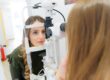
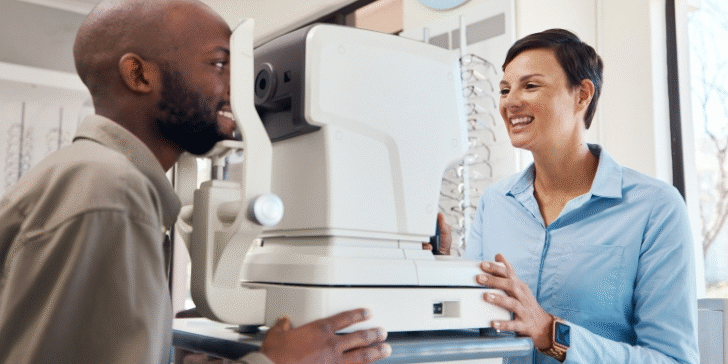
A comprehensive eye exam includes several tests to evaluate your vision and eye health:
- Visual Acuity Test: Measures how clearly you see at different distances.
- Refraction Assessment: Determines the prescription needed for glasses or contacts.
- Eye Muscle Test: Checks how well your eyes move and work together.
- Pupil Response Test: Examines how your pupils respond to light.
- Slit-Lamp Examination: Looks at the structures at the front of your eye, such as the cornea and lens.
- Tonometry: Measures eye pressure to detect glaucoma.
- Retinal Exam: Evaluates the back of your eye, including the retina and optic nerve.
These tests help your eye doctor detect any issues early, even before symptoms appear.
Tips for Maintaining Healthy Eyes
Regular eye exams are essential, but there are also lifestyle habits that help keep your eyes healthy:
- Follow the 20-20-20 Rule: Every 20 minutes, look at something 20 feet away for 20 seconds to reduce eye strain from screens.
- Wear Sunglasses: Protect your eyes from harmful UV rays.
- Eat a Healthy Diet: Foods rich in vitamins A, C, and E, as well as omega-3 fatty acids, support eye health.
- Stay Hydrated: Drinking enough water helps prevent dry eyes.
- Avoid Smoking: Smoking increases the risk of eye diseases like macular degeneration and cataracts.
- Manage Chronic Conditions: Proper management of diabetes, hypertension, and cholesterol levels can protect your eyes.
How to Determine Your Eye Exam Schedule
While the general guidelines are helpful, the exact frequency of eye exams should be personalized. Here’s how you can determine your schedule:
- Consult Your Eye Doctor: They will assess your risk factors and recommend a schedule.
- Consider Your Age: Follow the age-based recommendations.
- Review Your Health: Include any medical conditions that may affect your eyes.
- Pay Attention to Symptoms: Don’t wait for problems to appear—if you notice changes in vision or eye discomfort, schedule an appointment.
- Update Your Prescription: If you wear corrective lenses, check your prescription as advised by your eye care professional.
Conclusion
Eye exams are a crucial part of maintaining not just your vision but your overall health. The frequency of exams varies depending on age, health conditions, lifestyle, and family history. By following recommended schedules and adopting healthy habits, you can protect your eyes from many preventable conditions and enjoy clear, healthy vision for years to come. Remember: it’s never too early—or too late—to take care of your eyes.
Frequently Asked Questions (FAQs)
1. How often should adults get their eyes checked?
Healthy adults under 40 typically need an eye exam every 2–4 years. For those 40–54, every 2–3 years is recommended. Adults 55–64 should have exams every 1–2 years, and those 65+ should get yearly exams.
2. Do I need an eye exam if I have perfect vision?
Yes. Eye exams detect hidden conditions like glaucoma or diabetic retinopathy, which may not cause noticeable symptoms until significant damage occurs.
3. Can an eye exam detect other health problems?
Yes. Eye exams can reveal signs of high blood pressure, diabetes, high cholesterol, and certain autoimmune disorders.
4. Are there differences between a basic eye check and a comprehensive eye exam?
Yes. A basic check usually tests vision and may update your prescription, while a comprehensive exam evaluates overall eye health and screens for eye diseases.
5. What should I do if I notice sudden vision changes?
Schedule an eye exam immediately. Sudden changes in vision could indicate serious conditions that require prompt treatment.