Proper treatment helps damaged tissues recover, and some injuries require specialized care to heal completely. A simple bandage works well for minor scrapes because these injuries are superficial. More severe traumas may need supplemental wound care therapies. You can access advanced medical options to help your body repair itself faster.
Exploring Medical and Topical Therapies
Effective wound care starts with wound cleaning and proper dressing, but your doctor may also perform services such as nutritional counseling. Proper nutrition gives your body the required building blocks for recovery. Your provider might prescribe antibiotic therapy to stop harmful bacterial growth. This approach keeps the tissue bed clean and more conducive to healing.
Utilizing Advanced Cell Restoration Therapies
When tissues sustain severe damage, advanced treatments stimulate regenerative processes. Medical providers utilize several methods, and these options accelerate your overall recovery times. These advanced techniques target the injury at a microscopic level because normal healing mechanisms sometimes stall.
- PRP injections: Doctors inject platelet-rich plasma, which boosts the natural healing response.
- Restorative cell treatments: These therapies introduce healthy cells, and they rebuild damaged areas.
- Skin grafting: Surgeons transfer healthy skin to the injury site.
- Laser therapy: Focused light energy stimulates cell activity, so the skin closes faster.
Implementing Mechanical Healing Support Systems
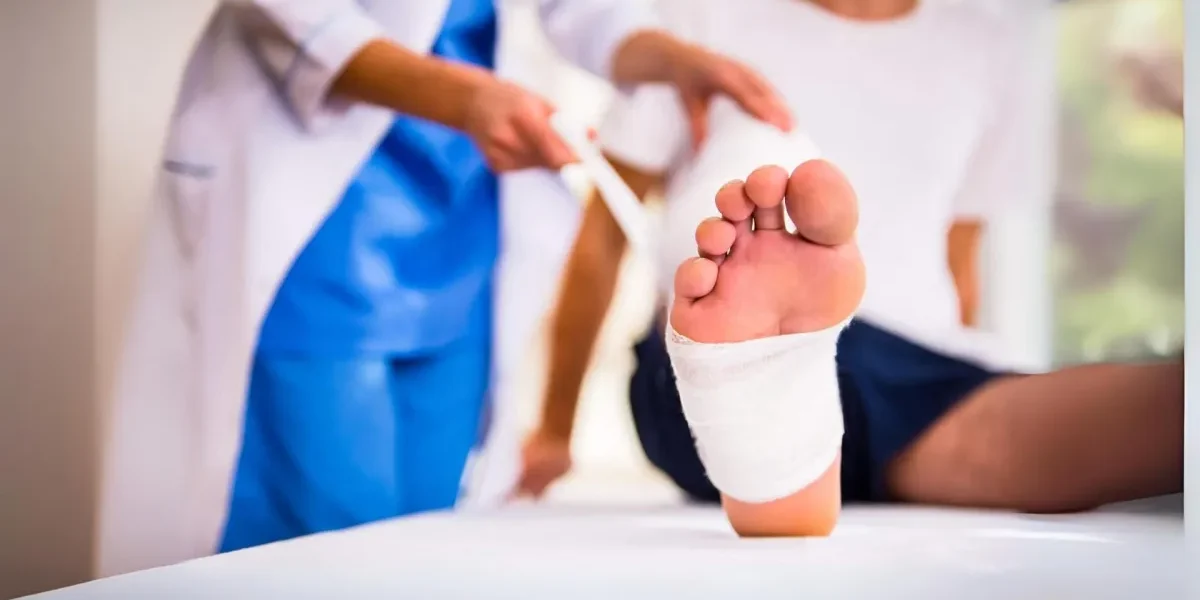
Removing dead tissue helps new cells grow, so providers perform debridement. This physical process cleans the injury bed thoroughly. Vacuum-assisted wound closure pulls tissue edges together because negative pressure gently draws excess fluid away from the area. Doctors prescribe customized orthotics or casting. These specialized devices offer the following benefits:
- Immobilizes the affected area to promote proper healing.
- Reduces pain by limiting unnecessary movement.
- Protects the injury from external harm or further damage.
- Supports alignment of bones and tissues during recovery.
- Provides a stable environment for effective healing.
- Prevents complications such as muscle strain or additional injuries.
- Allows patients to safely resume certain daily activities with proper support.
Performing Reconstructive Surgical Procedures
Severe traumas require operative intervention. Surgeons complete a surgical wound closure, and this connects the separated tissue edges directly. This process minimizes wide scarring. Because the body cannot bridge large gaps alone, surgical intervention provides necessary structural support. This operative approach brings immediate stability to the injured region.
Sometimes doctors perform flap reconstruction because the tissue defect remains too large for standard closure. They move healthy tissue with its blood supply intact, and they attach it over the injury. Providers execute fixation surgery. This procedure stabilizes the underlying structures, which allows the surface skin to repair itself without excess tension. Proper stabilization prevents future breakdown of the repaired site.
Learn More About Wound Care
Minor injuries resolve quickly on their own, but complex traumas need specialized interventions to heal properly. Exploring advanced therapies gives you more options, and these innovative methods can promote faster recovery. Medical professionals utilize treatments ranging from advanced dressings to comprehensive surgical reconstructions. Dietary changes may help in some cases, as well. If you want to learn more about how to improve wound healing, consult a wound care specialist near you.