
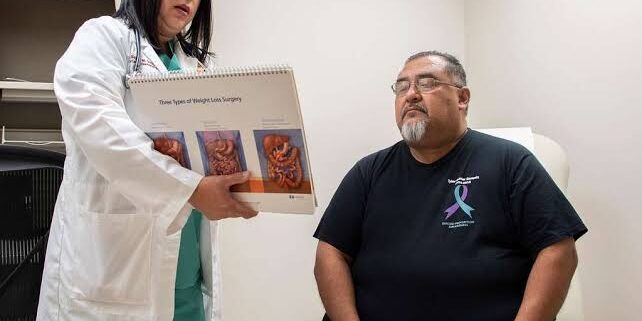
Bariatric surgery includes procedures that change the stomach or digestive tract to support significant weight loss. Adults with obesity and related health conditions may benefit from surgery after a medical evaluation. Long-term nutrition, physical activity, and follow-up care help support results after the procedure. Here are a few bariatric surgery options:
Gastric Bypass Surgery
Gastric bypass surgery involves surgeons creating a smaller stomach pouch and connecting it to a lower section of the small intestine. Food follows a changed route, and the procedure helps reduce the amount of calories absorbed. These intestinal changes distinguish gastric bypass from procedures that reduce the stomach.
Long-term care includes nutritional monitoring and scheduled medical follow-up. Dietary guidelines change as your body recovers, and laboratory testing may identify nutritional concerns. Some patients use supplements as part of their care. Your medical history helps guide ongoing recommendations after bariatric surgery.
SADI-S Surgery
SADI-S combines sleeve gastrectomy with an intestinal bypass using a single connection. The procedure reduces the stomach size to a thin tube, and the surgeon divides the duodenum to change the digestive route. Its surgical design differs from traditional duodenal switch procedures. Follow-up care focuses on weight changes and nutritional status after surgery.
Duodenal Switch Surgery
The duodenal switch combines stomach reduction with a significant change to the intestinal pathway. Surgeons first perform the sleeve portion, then alter the route food follows through the intestine. The procedure changes both food intake and nutrient absorption. Long-term nutritional monitoring remains closely connected to this surgical approach. The doctor may monitor various aspects, such as:
- Blood tests to track vitamin and mineral levels.
- Protein intake to support ongoing nutritional needs.
- Supplements to replace nutrients that are affected by changes in absorption.
- Dietary reviews to address changing medical needs.
- Follow-up visits to evaluate weight and nutritional status.
The duodenal switch requires a detailed review of your health history. Your surgical team examines relevant medical factors and uses your nutritional status to create an effective treatment plan. Long-term follow-up remains necessary after this procedure; medical guidance helps address the procedure’s lasting effects on digestion.
Gastric Sleeve Surgery
Gastric sleeve surgery involves removing a significant portion of the stomach. The remaining stomach forms a narrow sleeve with a smaller capacity; this limits the amount of food it can hold. The procedure also affects hormones that regulate appetite. Your digestive system is still connected via its regular digestive tract. Bariatric specialists will examine your current health status, and your past treatments will give them more details about your case. Other evaluations may involve assessing your readiness for surgery.
Revision Weight-loss Surgery
Revision weight-loss surgery involves additional treatment after an earlier bariatric procedure. Anatomical changes, medical complications, or limited weight-loss results may lead to a new surgical evaluation. Your previous operation affects the available approaches, and current findings help guide further planning. Revision procedures require detailed information about your original surgery and present health.
A revision evaluation reviews several specific parts of your medical history. Information that may shape further surgical discussions includes:
- Operative Records: Surgical records show how your original procedure changed your digestive system.
- Current Anatomy: Imaging or other evaluations may identify anatomical changes after the earlier procedure.
- Medical Concerns: Current symptoms provide context for the reason behind further evaluation.
- Weight History: Weight changes help document outcomes after the original procedure.
- Revision Approaches: Available procedures depend on your anatomy, health findings, and previous surgery.
Learn More About Bariatric Surgery
Deciding on bariatric surgery involves understanding how each procedure affects your digestive system and long-term nutritional needs. There are various types of bariatric surgery, and each procedure involves stomach reduction and intestinal changes. During a detailed consultation, you will have the opportunity to discuss your medical history and the procedures available for your case. Consult with your health care provider about bariatric surgery options to determine which one suits your current needs and long-term goals.