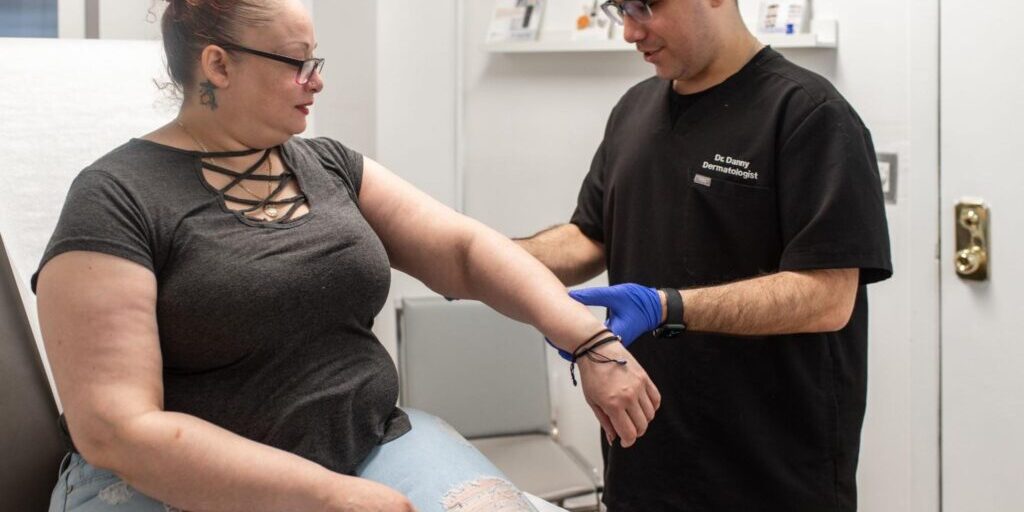
Mohs surgery removes skin cancer in stages, and the surgeon checks each layer under a microscope during the visit. This method focuses on clear margins, while it also aims to spare nearby healthy skin. Since treatment and tissue review happen together, patients get a detailed approach to certain skin cancers. Here is more information about Mohs surgery versus traditional excision techniques:
Benefits of Traditional Excision
Traditional excision uses a standard surgical method, and many clinics offer it for various skin cancers. The surgeon aims to remove the visible tumor. As the lab reviews the specimen after the procedure, the visit typically follows a familiar workflow.
This approach fits many straightforward cases, and it works well when the tumor has clear borders. Recovery plans aim to be simple. If the cancer sits on the trunk, arms, or legs, traditional excision may match the location well.
Typical reasons a clinician may choose traditional excision include:
- A tumor with well-defined edges
- A lower-risk site on the body
- A need for a standard outpatient procedure
Benefits of Mohs Surgery
Mohs surgery examines tissue in real time, and that step gives the surgeon immediate information about remaining cancer cells. The process is precise. Since each layer gets mapped and reviewed before the next step, the surgeon targets areas that still contain the tumor.
This method often helps with tumors on the face, ears, scalp, fingers, or genitals, and those sites have limited spare tissue. Cosmetic and functional issues matter. If a skin cancer has uneven borders, Mohs gives the surgeon a way to track those extensions with more detail.
Doctors also use Mohs for recurrent tumors, and they may select it for aggressive subtypes. Prior treatment history matters. Since some cancers grow beyond what the eye sees, staged removal gives a narrower and more exact path than a wider first cut.
Levels of Tissue Preservation
Tissue preservation marks a key difference between these methods, and that difference affects planning. Mohs removes small layers step by step. As the surgeon checks the full edge of each layer, healthy tissue often stays in place unless cancer appears there. Traditional excision removes the tumor with a margin of normal-looking skin, and that margin follows standard practice.
Factors That Matter
Several factors shape the choice, and no single method fits every case. Tumor type matters. If you compare options with a skin cancer specialist, the discussion often includes these points:
- Tumor size and borders
- Body location
- Treatment history
- Growth pattern under the skin
Methods and timing also affect planning, and the two methods differ in how they handle lab review. Mohs takes place in stages during one visit. Since traditional excision sends tissue to a lab after removal, final margin results typically come later.
Schedule a Mohs Surgery Consultation
The right treatment depends on the tumor, its location, and the amount of tissue the surgeon plans to remove, and a direct exam gives the clearest starting point. Since skin cancer treatment choices involve both medical and practical details, a consultation helps you review the options in plain terms. If you need guidance on Mohs surgery versus traditional excision, schedule a consultation to discuss your diagnosis and next steps. A focused review with a qualified specialist will help you move forward with a clear plan.