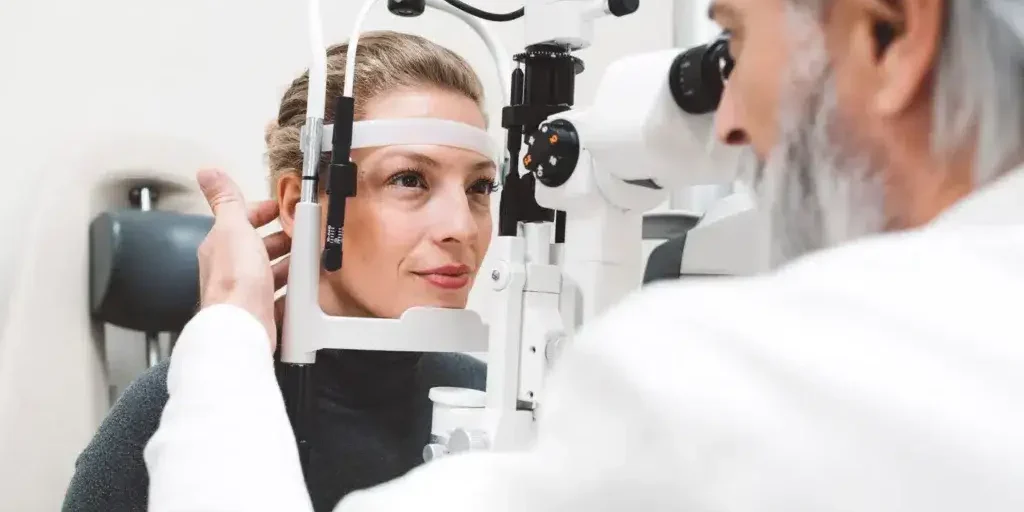
Ophthalmologists play a significant role in diagnosing, treating, and monitoring conditions that affect vision and overall eye health. Their care may involve eye exams, medical treatment, surgical procedures, and long-term management plans for diseases such as glaucoma, cataracts, diabetic eye disease, and retinal disorders. Here is a closer look at the role of eye doctors in managing eye diseases:
Disease Detection and Diagnosis
Ophthalmologists use advanced diagnostic equipment; when they examine the retina, they look for microscopic signs of cellular damage. Early detection remains a key factor in successful medical outcomes. Specialists perform comprehensive evaluations that evaluate every functional part of the visual system.
Glaucoma and cataracts require precise clinical identification. Diagnostic imaging reveals subtle structural anomalies, and visual field tests measure functional impairments. If a patient displays high intraocular pressure, the physician will perform further testing. Diagnostic protocols strictly follow established guidelines. Doctors gather a complete medical history, and they review previous records carefully.
Treatment and Care Planning
Care planning involves structured medical interventions based on clinical data. Ophthalmologists design individualized protocols, and they base these strategies on objective diagnostic results. Professionals review various treatment options, and they select targeted interventions that address the specific pathology while minimizing potential side effects. Here are some of the strategies they often use:
- Medication Management: Physicians prescribe topical or oral medications to control ocular pressure and reduce localized inflammation.
- Surgical Interventions: Cataract surgery and microinvasive glaucoma surgery are primary surgical options for anatomical correction.
- Laser Therapy: Specialists use focused light beams to repair retinal tears or modify tissue abnormalities.
- Ongoing Rehabilitation: Patients receive specialized optical lenses or vision aids to maximize remaining functional sight.
Treatment frameworks require continuous clinical evaluation. Patients follow specific medication schedules, and eye doctors closely monitor their physiological responses. If an intervention fails to produce expected biological results, the specialist modifies the clinical approach.
Vision Protection and Monitoring
Chronic conditions require ongoing management, and regular medical checkups monitor disease progression over time. Even if a patient feels perfectly healthy, structural changes may occur silently. Ophthalmologists measure visual acuity at every clinical visit, and they record these objective metrics in a database, allowing them to identify subtle declines immediately.
Diabetic eye exams illustrate the strict need for regular monitoring. Fluctuating blood sugar levels can damage delicate blood vessels, leading to severe retinal complications. While systemic medications control diabetes, localized medical treatments can directly protect the visual organs. Eye doctors collaborate with primary care physicians to create a comprehensive physiological monitoring system that protects patients from irreversible complications.
Patient Education and Prevention
Medical education helps individuals to manage their health. Clinicians explain the underlying ocular pathology, and they provide helpful lifestyle recommendations. Ophthalmologists dedicate time to answering clinical questions, and they often distribute informative medical materials that help patients manage their eyes effectively. Here’s how education supports eye care:
- Symptom Recognition: Educational programs teach individuals to identify visual disturbances such as sudden floaters or peripheral shadows.
- Lifestyle Adjustments: Doctors advise patients on proper nutrition and protection from ultraviolet light to support cellular health.
- Medication Compliance: Clear instructions help patients apply prescribed drops correctly and adhere to strict dosing schedules.
- Safety Practices: Clinicians recommend protective eyewear for specific occupational tasks and recreational physical activities.
Preventive strategies may reduce the incidence of severe eye complications. Eye doctors emphasize proactive clinical care, and they encourage patients to adopt protective daily habits.
Visit Local Ophthalmologists Today
Eye doctors provide fundamental medical services for visual health. They detect eye diseases accurately, and they develop effective strategies for long-term care. If patients suspect a visual abnormality, they must seek professional medical evaluation promptly. Physicians evaluate your specific physiological risk factors, and they construct a personalized medical management plan. Contact a reputable ophthalmology practice near you to schedule your appointment today.