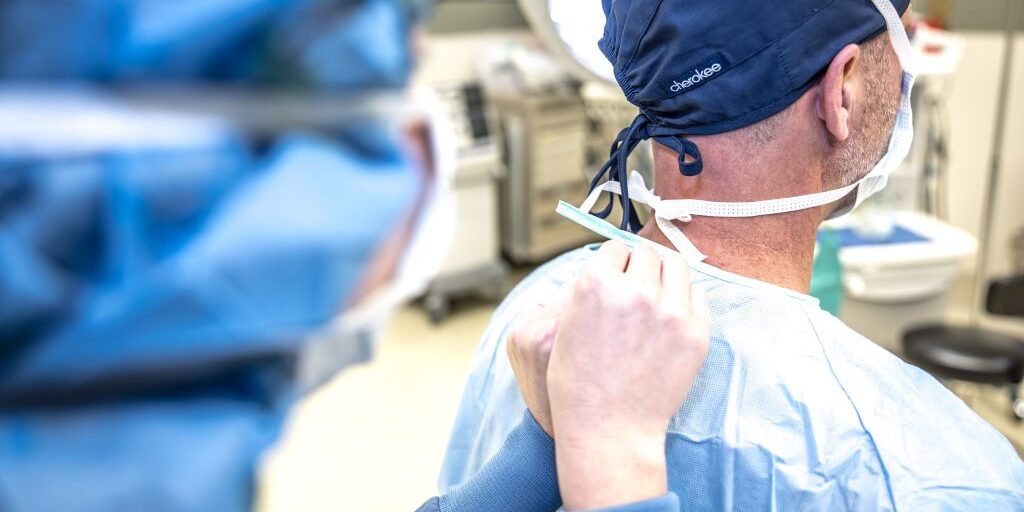
General surgeons diagnose surgical problems, and they perform operations across several body systems. They treat conditions involving the abdomen, skin, soft tissue, and digestive tract. Since they manage both planned and urgent cases, they hold a broad role in healthcare. Here is more information about the role of these medical providers:
Surgical Expertise
A general surgeon evaluates symptoms, orders tests, and plans treatment before any procedure begins. They also review imaging and lab results, and they match findings to the patient’s condition. When surgery is needed, they choose an approach that fits the diagnosis.
They perform procedures on the gallbladder, appendix, colon, stomach, and hernias, and they also treat soft tissue disease. Their training typically covers anatomy. Since many disorders share symptoms, surgeons use a structured process to narrow the cause. They also work with anesthesiologists, nurses, and medical physicians, but they remain responsible for the surgical plan.
Comprehensive Care
Before surgery, a general surgeon explains the diagnosis, outlines the procedure, and reviews known risks. Patients can ask questions. Since clear communication supports informed decisions, this step receives close attention.
Care continues after the operation, and the surgeon monitors pain, wound healing, and early signs of complications. Follow-up visits are needed for proper care. While many patients recover on a routine timeline, some need added testing or medication changes.
General surgeons also guide patients through recovery tasks, and they give direct instructions for daily care. Typical guidance may include:
- Wound cleaning
- Activity limits
- Diet steps
Because recovery needs differ by procedure, discharge plans vary from one case to another.
Trauma-related Management
Trauma care moves fast, and surgeons may act during the first stage of treatment. They assess bleeding, organ injury, and abdominal damage. Since unstable patients may decline within minutes, rapid decisions shape the next step.
A trauma surgeon may place drains, repair injured tissue, or stop internal bleeding, and the team works in parallel. Time matters when trauma occurs. When several injuries appear at once, treatment follows a set order.
They also coordinate with emergency doctors, radiologists, and intensive care teams, but the surgical focus stays on immediate threats. Some patients may need repeat operations. Since trauma can change quickly, daily reassessment guides management.
Less Invasive Techniques
Many general surgeons use laparoscopic methods, and these techniques rely on small incisions and a camera. The tools are specialized based on each individual case. Since the surgeon sees the field on a screen, movements must stay precise.
Standard laparoscopic procedures include:
- Gallbladder removal
- Appendix removal
- Hernia repair
The approach aims to reduce incision size, but it does not fit every case. When infection, scar tissue, or bleeding limits visibility, an open operation may be used.
Visit a General Surgeon
You may need a surgeon for abdominal pain, a hernia, a skin mass, or gallbladder disease, and a referral often starts the process. Early evaluation helps define the problem. Since symptoms may overlap across several conditions, a timely exam supports accurate planning, so bring test results and questions. If you have ongoing symptoms or a new diagnosis, schedule a visit with a general surgeon today.