Cardiovascular disease encompasses conditions that affect your heart and blood vessels. Knowing how to identify the physical signs of these diseases gives you the power to seek medical help early. Early warning signs may be subtle at first, but they often progress quickly without proper evaluation. Here are some symptoms of cardiovascular conditions:
Chest Discomfort
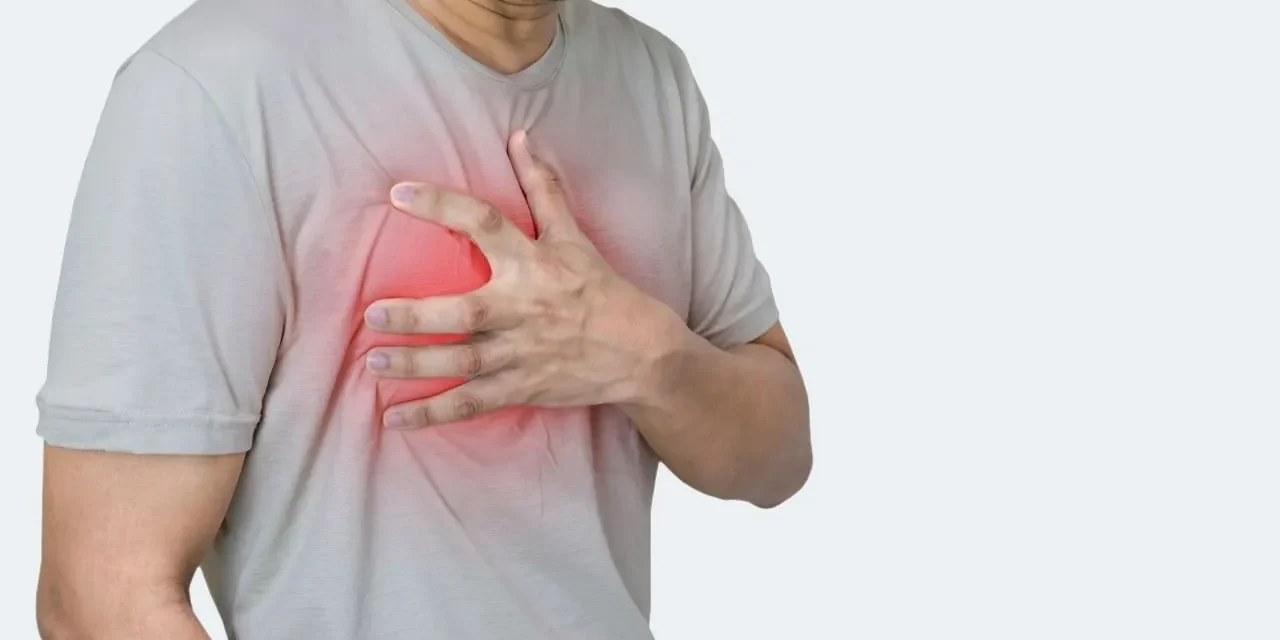
A common sign of heart-related issues is chest discomfort, which manifests in various ways. When a heart muscle doesn’t get enough oxygen-rich blood, you might feel heavy pressure in your chest. Patients often describe this sensation as a squeezing behind the breastbone. A dull ache may build gradually over several minutes, or a sharp pain will strike suddenly without prior warning.
Rest typically relieves chest pressure temporarily, so this ache is often mistaken for heartburn or indigestion. Discomfort related to cardiovascular conditions can last longer than a few minutes. It will go away and come back repeatedly. Paying attention to these physical cues helps you document what happens during an episode.
Shortness of Breath
Breathing difficulties frequently accompany heart issues, and they occur during physical activity or at rest. You might gasp for air during routine tasks, or the struggle to breathe interrupts sleep. As circulation becomes less efficient, the body compensates by increasing breathing rate. This often makes breathlessness more noticeable. Even when symptoms improve with brief rest, recurring episodes should be monitored because they often signal an ongoing cardiovascular issue.
Fatigue and Weakness
Fatigue and weakness are common indicators that the body is struggling to meet its energy demands. Unexplained exhaustion drains your energy, and this makes daily tasks difficult to complete. Because the heart pumps less effectively, blood moves away from your arms and legs to supply your brain. You feel an intense weakness throughout your entire body. Over time, you may feel drained even after a full night of sleep.
Some patients report profound tiredness weeks before a major cardiac event occurs. This type of fatigue differs from typical tiredness after a long day of work. Your body simply lacks the oxygen needed to function correctly. You might notice heavy legs during a short walk or need to sit down frequently. Recognizing this extreme loss of stamina requires paying attention to changes in your daily routine.
Pain Radiation
Pain caused by a cardiovascular condition rarely remains localized to a single spot. It usually travels outward from the center of the chest to other parts of your upper body. You may notice a numbness spreading down your left arm. Discomfort also radiates into the jaw, neck, upper back, or upper stomach. This traveling sensation develops quickly alongside other physical reactions.
Visit a Cardiovascular Clinic
Recognizing the signs of various heart and circulation conditions gives you an opportunity to take immediate action. Medical professionals have the tools needed to accurately evaluate your heart health. An examination helps doctors identify the underlying causes of your symptoms, and then they will develop a targeted treatment plan. Schedule an appointment with a cardiovascular clinic today to discuss any physical changes you experience.