
Advances in medical technology are changing how cardiologists diagnose, monitor, and treat vascular concerns, including varicose veins. New tools and treatment methods may help improve accuracy, support less invasive care, and make patient management more efficient. Here are a few ways cardiologists are adapting to advances in technology and treatment for varicose veins:
Greater Diagnostic Precision
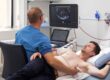
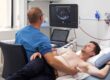
Accurate diagnostics are a key step in cardiovascular care. Doctors use ultrasound devices to examine blood flow, allowing them to quickly identify weak valves or conditions such as varicose veins. When specialists locate the exact source of venous insufficiency, they develop effective treatment plans. Modern technology gives clear pictures of the internal structures, and this helps cardiologists work safely. Modern equipment also operates quickly, reducing the time patients spend in the clinic. When doctors receive immediate data, they act quickly, which improves the overall standard of care.
Better Treatment Options
Medical professionals use minimally invasive options for varicose veins. They replace older surgical methods with modern procedures: doctors use radiofrequency ablation to close faulty vessels if compression stockings fail. Catheter-based systems revolutionize vascular care. Doctors insert small tubes into the skin, and they guide them to the damaged area. When the device reaches the target, it delivers controlled energy. Even though the process involves advanced machinery, the steps remain straightforward, and the patient goes home the same day.
Adhesive treatments provide another option for patients. Specialists inject a medical glue into the affected vessel, sealing the pathway permanently. Once the doctor applies the adhesive, the body naturally reroutes the blood.
Personalized Patient Care
Cardiologists assess individual health profiles and design targeted therapy plans to promote better outcomes. Here are key components of personalized patient care:
- Comprehensive Assessment: Doctors evaluate a patient’s medical history, symptoms, and specific health conditions to develop an effective treatment strategy.
- Customized Interventions: Even with similar symptoms, treatment plans are individualized, and recovery progress is consistently monitored.
- Lifestyle Adjustments: Recommendations include daily physical activity, proper leg elevation, and the use of compression stockings to manage conditions such as varicose veins and support overall cardiovascular health.
- Preventive Care Practices: Daily habits, such as maintaining movement routines and adhering to medical advice, prevent new complications and promote long-term well-being.
Although technical procedures address immediate medical concerns, these extra components provide sustained health improvements and support a collaborative relationship between the patient and healthcare providers.
Stronger Vein Health
Long-term vascular health requires ongoing medical supervision. Doctors schedule regular follow-up visits, and they track the healing process carefully. When patients attend these checkups, they can avoid severe complications. Although modern treatments provide immediate relief, continuous care protects the legs, and it helps to maintain healthy blood circulation over time.
Healthy blood vessels support overall physical well-being. Cardiologists educate patients about risk factors, and they teach preventive strategies. If a person maintains a healthy weight, the legs often experience less physical stress.
Book Your Varicose Veins Appointment
Proper care for your veins is key to maintaining overall health and well-being. Staying informed about risk factors and adopting healthy lifestyle habits can significantly reduce the risk of vascular issues while promoting optimal blood circulation. Genetics may influence vascular health, but preventive measures play a fundamental role in minimizing risks. Contact a qualified cardiologist near you to book your varicose veins appointment today.