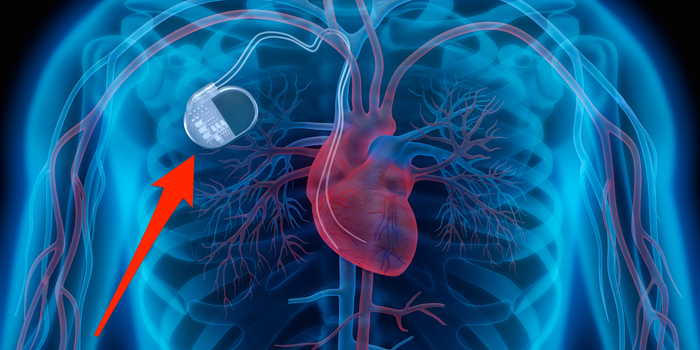
A pacemaker is a small medical device for regulating a person’s heartbeat. Many patients experience severe symptoms from heart rhythm disorders, and a medical evaluation may diagnose the need for a pacemaker. Doctors prescribe this treatment when a patient has a slow or irregular heart rhythm, and the system helps the heart beat properly. Here is more information about pacemakers:
What Is a Pacemaker?
A pacemaker is a small electronic implant. It goes inside the chest, and it sends electrical signals directly to the heart muscle. The device tracks the cardiac rhythm at all times, and it intervenes during an irregular event. Your physician might suggest this treatment for the following conditions:
- Bradycardia: a very slow resting heart rate.
- Heart block: a problem with the internal electrical system.
- Heart failure: a condition where the heart pumps poorly.
How Does a Pacemaker Work?
When a heart beats abnormally, the device restores a normal rhythm to protect your health. The system contains a small pulse generator, and this metal box houses a battery that lasts up to 10 years. Insulated wires connect the generator directly to the inner heart muscle.
Because the battery provides steady power, the generator sends tiny electrical impulses through the connected wires. The electrical impulse stimulates the heart, and the cardiac muscle pumps blood efficiently throughout the entire body. Your physician programs the computer inside the generator to match your unique medical needs.
How Are Pacemakers Implanted?
Pacemakers come in several types, each designed to address specific heart conditions and tailored to different health needs. Below are the primary categories of pacemakers and their functions:
- Single-chamber pacemaker: This type uses one insulated wire, or lead, that connects to either the right atrium or the right ventricle. It is typically used when slower heart rhythms only affect one side of the heart.
- Dual-chamber pacemaker: Featuring two leads, this device connects to both the right atrium and right ventricle. It helps the upper and lower chambers of the heart beat in a coordinated manner, improving overall heart rhythm and efficiency.
- Biventricular pacemaker: Designed for patients with heart failure, this type utilizes three leads to stimulate the right atrium, right ventricle, and left ventricle. It helps to synchronize the contraction between the two ventricles.
- Leadless pacemaker: A more recent innovation, this device is implanted directly into the heart without any leads. It is a less invasive option and reduces the risks associated with lead-related complications.
Before the surgery begins, the medical team sedates the patient and administers a local anesthetic to the incision site. Surgeons place the device inside the chest during a minor surgical procedure. The doctor makes a small cut near the collarbone, and they guide the thin wires through a major vein.
After the wires reach the right heart chamber, the surgeon connects the pulse generator. The generator goes just under the skin, and the doctor closes the small incision with dissolving stitches. Patients stay in the hospital for a short observation period to recover fully.
What Is Life Like Afterward?
Regular medical checkups help track the battery life over time. The doctor reviews the device data, and they adjust the system settings during a routine clinic visit. If the battery runs low, a surgeon replaces the generator during an outpatient visit. You can carry a special identification card for security checkpoints at the airport to avoid problems with scans or metal detectors.
Learn More About Pacemakers
The medical device manages abnormal heart rhythms safely for many patients. The generator monitors the heart rate constantly, and it sends electrical signals during events of slow or irregular heartbeat. A minor surgery places the small unit under the skin near the collarbone. If you want to learn more about the benefits of a pacemaker, consult your healthcare provider.