Facial aging affects individuals differently, presenting visible physical changes over time. A facelift offers a structural and comprehensive approach to modifying facial contours. Navigating the world of aesthetic surgery requires a solid foundation of factual knowledge, and understanding the available surgical pathways equips patients with the information needed to navigate their treatment options intelligently.
What Is a Facelift?
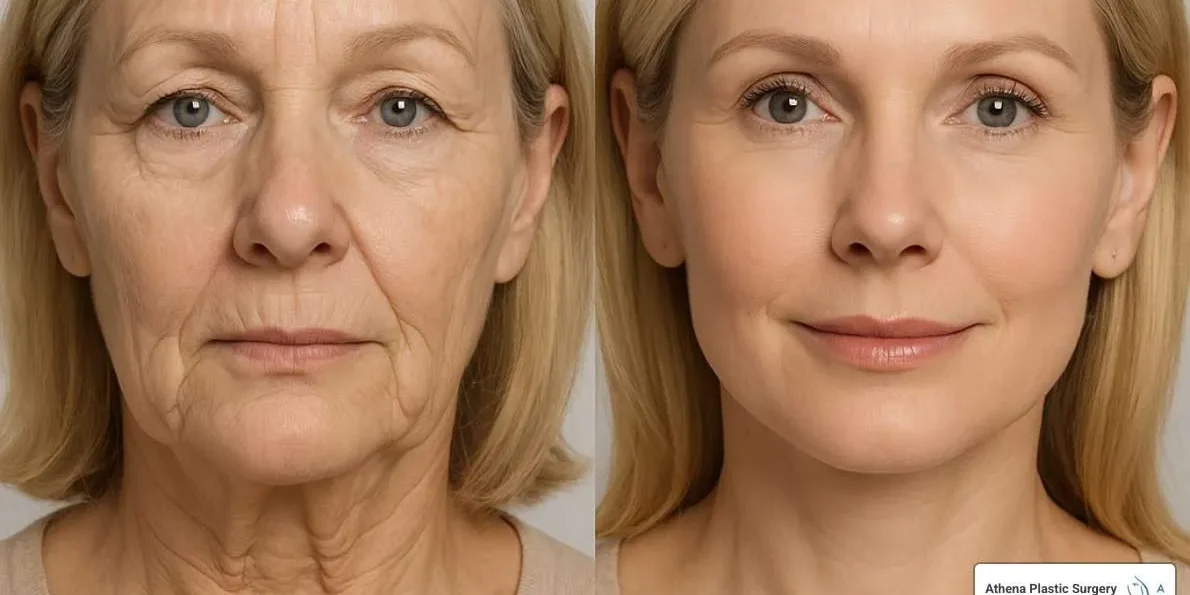
A facelift is a surgical operation designed to lift and reposition facial tissues. The procedure directly targets visible signs of aging and adjusts the deeper layers positioned beneath the skin. Surgeons specifically address the formation of certain features, such as jowls, sagging cheeks, and loose neck tissue, during this operation.
Unlike superficial skin treatments or dermal fillers that only mask volume loss, a facelift structurally alters the underlying facial framework. The primary objective is to produce a smoother jawline, a firmer neck, and overall balanced facial proportions. Medical professionals tailor the specific techniques used during the operation to perfectly match the distinct anatomical needs of the individual patient, which produces a refined aesthetic outcome.
Who Is a Candidate?
Ideal candidates for this procedure include healthy adults experiencing moderate to advanced facial aging. Surgeons look for patients who maintain good overall health and do not smoke. While many people may assume this surgery applies strictly to older demographics, no rigid age limit dictates candidacy. Individuals in their 40s and 50s frequently seek this procedure, and younger patients noticing early structural changes may also qualify for surgical intervention.
What Are the Types?
Surgeons utilize various approaches based on individual factors, such as anatomical requirements, specific aging patterns, and the patient’s aesthetic goals. Setting realistic expectations regarding surgical outcomes and understanding recovery timelines remains a necessary component of deciding which procedure is best for your case. Prominent variations include:
- Deep Plane Facelift: This advanced technique manipulates the deeper muscular and fascial layers of the face. By repositioning these underlying structures as a single unit, the surgeon addresses pronounced aging signs like marionette lines and profound neck laxity.
- SMAS Facelift: The superficial musculoaponeurotic system (SMAS) is a connective tissue layer situated beneath the skin. A traditional SMAS facelift involves modifying this distinct layer to provide substantial structural support.
- Mini Facelift: Sometimes referred to as a short-scar lift, this approach involves smaller surgical incisions and focuses primarily on superficial skin tightening. Surgeons typically reserve this option for patients needing only minor anatomical adjustments or those unable to undergo extensive surgery.
- Neck Lift Combination: Surgeons may combine facial lifting techniques with a dedicated neck lift. This dual approach maximizes definition along the jawline by creating balanced tension across the lower face and neck regions.
- Early Intervention Facelift: This variation targets individuals displaying the very initial phases of facial sagging. The procedure corrects mild jowling and early neck laxity before these structural conditions advance significantly.
Patients who previously underwent facial surgery might eventually require further modifications. Revision procedures correct residual scarring or address relapsed tissue sagging. This specialized operation often involves navigating existing scar tissue, aiming to restore harmonious facial proportions.
Meet With an Aesthetic Specialist
Understanding the anatomical nuances of facial aging requires professional medical evaluation. Every face possesses unique structural characteristics that dictate the most appropriate surgical approach. Consulting with a plastic surgeon provides clarity regarding your specific anatomical needs and precise surgical candidacy. During a formal consultation, the physician will thoroughly assess your underlying bone structure and overall health profile to formulate a personalized surgical plan.