Prenatal care involves medical attention provided during pregnancy. Healthcare providers use these visits to monitor maternal health, and they track fetal development over several months. Patients receive physical examinations that guide recommendations for clinical lifestyle adjustments.
The first appointment may occur around the eighth week of pregnancy. Providers review medical histories during this time, and they establish a baseline for future checkups. Here is more information on prenatal care and how to prepare for the first appointment:
What Is Prenatal Care?
Prenatal care is a scheduled series of medical consultations for pregnant patients. Medical professionals conduct physical exams, and they perform laboratory tests to assess ongoing health. These structured assessments occur at specific intervals, with frequency increasing as the delivery date approaches. Routine monitoring identifies potential complications early, and medical staff can implement timely interventions.
What Does It Entail?
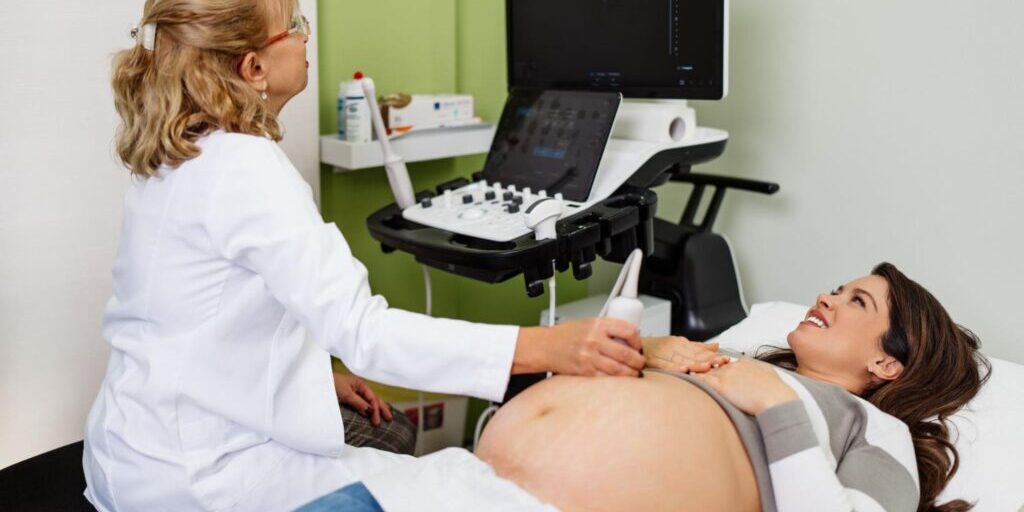
The overall process entails regular physical measurements and specialized clinical tests. Providers check blood pressure and monitor weight changes at each visit. Ultrasound imaging is performed to observe fetal growth, and doctors may request blood panels to check for specific markers.
Educational discussions also form a major part of the routine checkups. Clinicians advise on proper nutrition, and they may offer guidance on safe physical activities. Patients receive information regarding physiological changes, which helps them understand the typical progression of a standard pregnancy.
What Are the Benefits?
Consistent medical observation may reduce the likelihood of pregnancy-related complications. Doctors detect early signs of conditions like gestational diabetes, and they manage them with targeted medical strategies. Fetal anomalies can be identified through screening, facilitating prompt medical consultations.
Regular appointments also provide a structured environment for addressing physical symptoms, as patients can report issues like nausea or joint pain. Physicians recommend safe management techniques. This clinical support stabilizes maternal health, which promotes healthy conditions for fetal development.
What Does an Appointment Involve?
The initial visit requires a comprehensive review of the patient’s medical background. Doctors may ask about past surgeries and any current medications or supplements. A complete physical examination is a standard procedure, during which the provider typically calculates an estimated due date. Laboratory work may be another component of this first clinical encounter.
How Can You Prepare?
Gathering relevant medical documents streamlines the intake process at the clinic. Patients benefit from compiling their family medical history, and they should list any pre-existing health conditions. Having this data readily available saves time, which allows the physician to focus on direct patient care.
Writing down specific symptoms helps the provider address current physical changes, and patients can document the frequency of nausea. They may also note instances of fatigue. A written list of questions facilitates a structured discussion, making sure all clinical concerns are addressed during the visit.
Prepare for Your Appointment
The first prenatal visit establishes the foundation for maternal and fetal monitoring. Medical professionals collect baseline data and outline the schedule for subsequent examinations. Gathering your medical history and specific questions will facilitate a productive medical visit. Schedule your first appointment with a healthcare provider today, and learn more about routine clinical monitoring.