A cardiology specialist diagnoses illnesses, and they use advanced medical tools to diagnose and treat diseases. Because the cardiovascular system is highly complex, medical professionals rely on modern technology to deliver effective care. These modern tools range from basic imaging machines to advanced surgical tools. Here is more information about how cardiologists use technology to provide care for heart conditions:
Understanding Cardiology Concerns
Professionals in cardiology treat diseases of the heart and blood vessels. A cardiologist evaluates your symptoms, and they create a personalized treatment plan for you. If you have a family history of heart disease, your physician can help you monitor your health closely. Several other factors can increase your risk of developing heart disease, including high blood pressure, high cholesterol, and smoking.
Diagnosing Cardiac Conditions
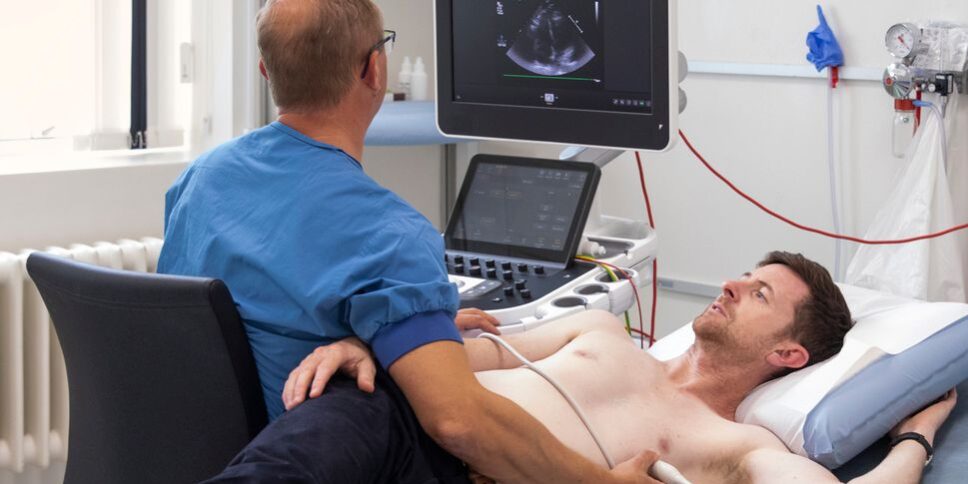
Doctors need clear images of the heart, so they utilize various diagnostic machines to obtain these images. When a patient experiences chest pain, physicians can run several tests to find the exact cause. The testing process is completely painless. Patients rest comfortably during the entire examination, and technicians guide them through the simple steps.
Physicians use various common diagnostic methods:
- Echocardiograms: use sound waves to map the heart valves.
- Cardiac MRI scanners: produce detailed three-dimensional tissue images.
- Chest X-rays: show the general shape of the heart and lungs.
- Ultrasound machines: check blood flow through the major arteries.
- Implantable cardiac monitors: track heart rhythms over time.
These tools provide data, and doctors use this information to select appropriate therapies.
Utilizing Implantable Devices
When a patient has a severe condition, doctors may implant small devices inside the chest. These small computers regulate the heartbeat, and they send data directly to the clinic. Doctors use these devices for several purposes.
Here are some examples of implantable cardiac devices and their uses:
- Rhythm control devices: correct heart arrhythmias instantly.
- Circulation assistance pumps: help weakened heart muscles function properly.
- Valve replacements: restore proper blood flow throughout the body.
Technology improves patient outcomes, and modern implants work for many years. Since the devices operate automatically, patients can resume their normal daily activities. The battery life lasts a long time. When the battery gets low, the doctor schedules a minor replacement surgery.
Performing Cardiac Procedures
Surgeons clear blocked arteries with mechanical thrombectomy tools, and they remove dangerous blood clots safely. If a blockage contains hardened plaque, a doctor can use laser thrombectomy equipment to dissolve the barrier. Radiofrequency ablation treats erratic heart rhythms. Heat energy destroys the problematic tissue, and the heart returns to a normal beating pattern. Many patients recover relatively quickly after these minimally invasive treatments because the technology requires only tiny incisions.
Learn More About Cardiology Technology
Medical devices help doctors to evaluate symptoms of cardiac issues, and they provide effective treatments for various heart conditions. An accurate diagnosis relies on imaging tools like ultrasounds and MRIs. When patients require long-term support, surgeons implant pacemakers or perform advanced clearing procedures. If you want to learn more about cardiology treatments and services, consult a cardiologist near you.