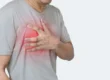
Women’s heart health is a significant yet often overlooked aspect of overall well-being, with symptoms of heart disease frequently presenting differently than in men. These differences can lead to delayed recognition and diagnosis, increasing the risk of serious complications. Understanding the early signs and unique warning indicators is necessary for timely intervention and effective care.
Atypical Symptoms Women Shouldn’t Ignore
When you think of a heart attack, you might picture someone grabbing their chest in agony. But women’s heart health issues often present with different, subtle signs that are easily overlooked. You might feel unusually tired after simple chores, or you could suddenly become short of breath. These signs may seem minor, but they require your immediate attention.
Recognizing these variations is a key step in protecting your heart health, and you must listen to your body’s signals. For instance, breaking out in a cold sweat for no clear reason often warrants a medical evaluation. Your body communicates through these subtle shifts, so you should listen closely. Some common atypical symptoms include the following:
- Unexplained weakness that lasts for several days at a time.
- Discomfort radiating to the back, neck, jaw, or lower abdomen.
Subtle vs. Sharp Chest Pain
Chest pain is a known heart symptom, but women often feel it differently from men. Instead of a sharp, crushing pain, you might feel mild pressure or a dull ache. This subtle discomfort can come and go, and because it feels less severe, many women attribute it to muscle strain or anxiety. You must take any unusual chest pressure seriously; discuss it with a professional.
This pressure often spreads to other areas, making it harder to pinpoint. You might feel a dull ache in your shoulder blades, or the discomfort could travel down your left arm. These shifting sensations are a key part of how women experience heart distress. If you notice these patterns, you should seek an evaluation from a healthcare provider.
Emotional and Stress-Related Warning Signs
Your mental and emotional well-being significantly impacts your cardiovascular health, and stress often shows up physically. Many women feel a sense of intense anxiety before a cardiac event. You might feel restless or struggle to sleep despite being exhausted. These emotional shifts are your body’s alarm system, so don’t dismiss them as just stress.
Chronic stress can damage your blood vessels and trigger harmful physical responses. You might notice your heart racing in tense situations, or you could feel a flutter in your chest. Recognizing the link between your mind and heart is key to your health, so learn stress management techniques to support your heart. Below are a few ways stress impacts your heart:
- Chronic anxiety can elevate your blood pressure and increase your resting heart rate.
- High stress levels can lead to sudden palpitations or an irregular heartbeat during quiet moments.
Digestive and Flu-Like Symptoms
Digestive issues, such as nausea or indigestion, can sometimes be more than just a stomach bug; they may signal a heart condition. Many women report these symptoms right before a cardiac event, yet it’s easy to mistake them for something you ate and reach for antacids. When digestive issues appear alongside other subtle signs, like cold sweats, they can indicate a more serious heart health problem.
Keeping a close watch on these symptoms is a key part of protecting your well-being. If you experience unexplained nausea along with shortness of breath, you should seek prompt medical advice. Similarly, a sudden, intense bout of heartburn warrants a call to your doctor, especially when it feels unusual.
Book a Comprehensive Women’s Heart Health Evaluation
Understanding the unique signs of heart disease in women empowers you to make informed decisions about your health and serves as a key component of effective prevention. If you experience any of these confusing symptoms, book an appointment with a cardiologist near you today for a thorough assessment and comprehensive personalized care you deserve. Do not dismiss subtle warnings as stress. Let a specialist assess your conditions to make informed claims and discuss your treatment options.