Nuclear medicine has become a key component of modern diagnostic imaging, offering advanced techniques for detecting and evaluating a wide range of medical conditions. In the context of infectious diseases, nuclear medicine provides unique insights by enabling clinicians to visualize physiological processes and identify areas of active infection within the body. By using specialized radiopharmaceuticals and imaging technologies, this approach supports accurate diagnosis and informed treatment planning.
Radiotracers For Infection Detection
Radiotracers are the foundation of nuclear medicine. These radioactive substances enter your bloodstream and travel to areas of high cellular activity. This process highlights potential infections, allowing doctors to view the results on a specialized monitor.
Various radiotracers are available, so specialists select one based on your unique symptoms and medical history. This careful selection process is a key part of modern nuclear radiology. You should discuss the specific radiotracer with your doctor, so you can fully understand how it will interact with your body.
Imaging Techniques For Infection Identification
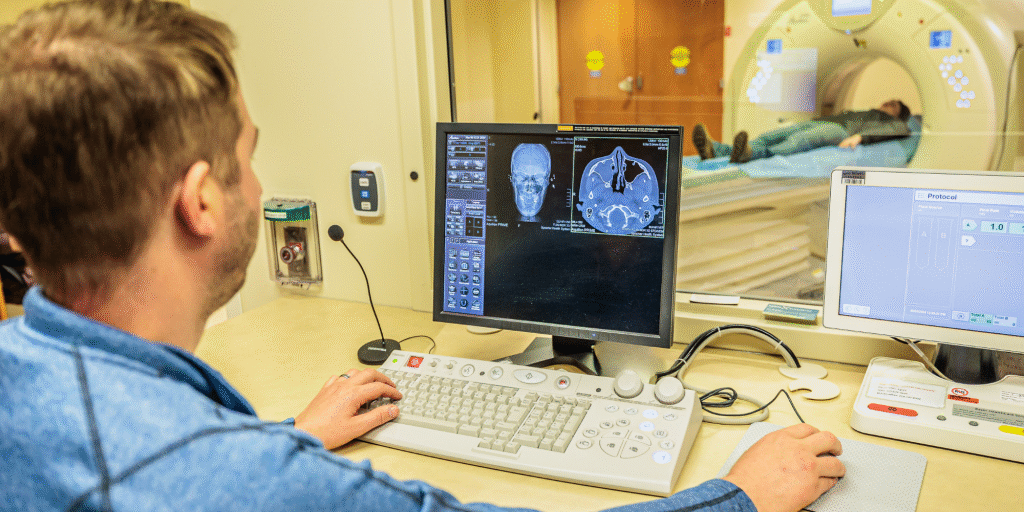
Doctors use several imaging methods to track radiotracer signals. Positron emission tomography (PET) finds abnormal metabolic activity, while a bone scan specifically looks for bone infections. These tools give medical teams a comprehensive view of your internal systems, and they guide care decisions. SPECT scans also play a key role by creating a 3D image of the targeted area, revealing hidden issues.
Combining imaging methods often yields the most productive diagnostic results. Some facilities combine nuclear diagnostics with traditional CT scans, providing both functional and anatomical data simultaneously. This dual approach gives doctors a clearer understanding of your condition, so be sure to ask your provider which imaging combination they recommend.
Detection of Different Infection Types
Radionuclide imaging can identify many infections throughout the body. Doctors use these scans to detect bone (bone scan) and joint infections that cause severe pain, as well as to identify abdominal infections that have no clear symptoms. Since finding the exact infection type is a key step, these scans can make the process much smoother. Some infections hide deep in the body and evade standard tests, but nuclear medicine can reveal them by tracking the immune response at a cellular level.
Finding the source of an unexplained fever can be daunting for both patients and doctors. Advanced diagnostic scans eliminate guesswork, showing where the body is fighting an infection, and this precise localization prevents unnecessary procedures. You get answers much faster, so your medical team can start the right treatment protocol immediately. This swift action is necessary to manage your health effectively and begin your recovery.
Whole-Body Imaging For Comprehensive Diagnosis
Some medical conditions require a look at the whole body. Whole-body imaging tracks radiotracers from head to toe. This helps find widespread or migrating infections, so no area is left unchecked. Physicians rely on this broad perspective when an infection has spread, and they use it to monitor your overall health. Systemic infections demand a productive diagnostic approach to prevent serious future complications.
Patients with compromised immune systems benefit greatly from these scans. They often do not show typical signs of a localized infection. Nuclear radiology can bridge this diagnostic gap by highlighting abnormal cellular function even in the absence of outward symptoms. You should speak with your specialist about whether a full-body evaluation makes sense for your medical background.
Schedule Your Nuclear Medicine Appointment
Nuclear medicine provides a highly effective way to uncover the mysteries of infectious diseases, as this technology removes the heavy uncertainty from complex medical diagnoses. If you experience unexplained pain or persistent symptoms, contact a professional for guidance and support. Ignoring persistent symptoms or unexplained pain can easily lead to much more severe complications. Molecular imaging provides the information needed to tackle infections head-on. Reaching out for professional assistance is the most helpful step you can take right now for accurate diagnosis and comprehensive, personalized care.