Cosmetic surgery reshapes facial and body features in ways that can influence how a person ages over time. While procedures such as facelifts, breast augmentation, tummy tucks, and liposuction address specific concerns at a given stage of life, the natural aging process will continue. Here is more information on the long-term effects of cosmetic surgery on aging:
Facelifts and Tummy Tucks
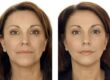
Immediate post-facelift changes reflect repositioning of descended tissues and removal of excess skin while maintaining overall facial harmony. Aging continues after surgery, but from a revised structural baseline created by tissue elevation and support. Careful preoperative planning centers on selecting techniques that address laxity, volume loss, and skin redundancy while evaluating how the face will continue to age.
A tummy tuck removes excess abdominal skin and repairs separated abdominal muscles, reshaping the midsection and reinforcing the abdominal wall. By tightening musculature and reducing redundant skin, the cosmetic surgery procedure alters how the abdomen responds to skin laxity and muscle weakening associated with aging, pregnancy, or weight fluctuation. When performed alongside facial procedures, these surgeries address age-related structural changes in both the face and torso, modifying contour and tissue support in ways that influence how visible aging changes develop over time.
Liposuction
Liposuction removes localized fat deposits to alter body contour and redistribute visible fullness in specific areas. Because the procedure reduces fat cells only in treated regions, natural aging processes and weight fluctuations may change the appearance of untreated areas over time. As skin elasticity declines with age, these differences can become more noticeable, particularly if surrounding regions retain higher fat volume. Surgical planning includes treating multiple areas to reduce contour disparities that emerge as the body ages. Adjusting the extent of fat removal across regions with varying fat accumulation can influence how proportions are maintained over time. Liposuction does not prevent future fat accumulation; subsequent changes in body composition reflect aging, metabolic factors, and individual lifestyle patterns.
Breast Augmentations
Breast augmentation increases breast volume or adjusts shape and symmetry using implants or fat transfer. Over time, augmented breasts undergo the same aging-related changes as natural tissue, including reduced skin elasticity, gravitational descent, and decreased firmness. Because implants add volume and weight within the breast pocket, they influence how the breast settles as surrounding tissue thins and stretches.
As aging progresses, some patients pursue revision procedures to address capsular wear. Implant materials and profiles differ in structure and projection, which affect how the breast maintains its shape as tissues age. Surgical technique may also be adjusted to accommodate variations in tissue thickness, elasticity, and support. A combined approach, such as pairing augmentation with lifting techniques, addresses both volume and structural support. This strategy modifies contour and positioning at the time of surgery and may influence how age-related changes in skin quality and breast position become visible over time.
Botox
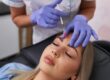
Botulinum toxin injections, commonly known as Botox, are used to reduce dynamic facial lines caused by repeated muscle contraction. By temporarily limiting movement in targeted muscles, treatment changes how expression lines form and deepen over time. Areas frequently treated include the forehead, around the eyes, and smile lines, where repetitive motion contributes to visible creasing as skin elasticity declines.
As aging progresses, skin thinning and collagen reduction make expression lines more apparent at rest. Botox does not address volume loss or skin laxity, but it modifies muscle-driven wrinkling. Treatment plans are adjusted based on facial anatomy, muscle strength, and changes in skin quality over time. When incorporated into a broader aesthetic plan, Botox can influence the development and visibility of wrinkles, while other age-related changes continue according to individual biology and environmental exposure.
Schedule a Cosmetic Surgery Consultation
An in-depth evaluation with your doctor provides a full view of lifelong cosmetic surgery outcomes and post-surgical care. Some patients assess one or more procedures before making surgical decisions. Schedule an appointment with a qualified plastic surgery specialist today to learn about procedures that support long-term results.