Acne scars can be frustrating. Even after acne is gone, the marks it leaves behind can affect confidence and self-esteem. Many people search for the best treatment for acne scars, but the truth is: there is no one-size-fits-all solution. The best treatment depends on the type of scars, skin type, budget, and how deep the scars are.
In this article, we’ll break everything down in a simple, human way. You’ll learn what acne scars are, why they happen, and the most effective treatments available today—from home remedies to professional medical options.
What Are Acne Scars?
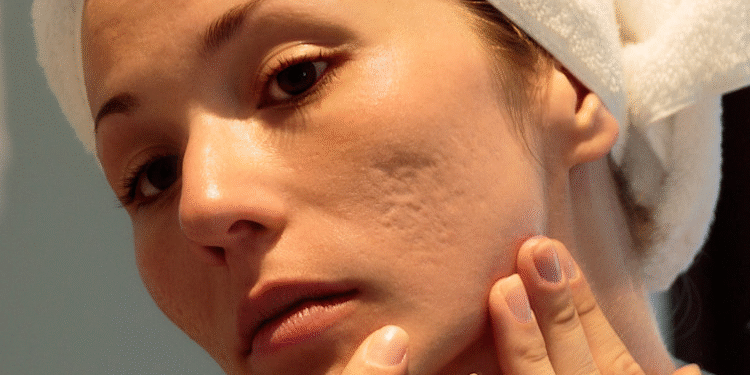
Acne scars are marks left on the skin after acne heals. They form when acne penetrates deep into the skin and damages the tissue underneath. As the skin tries to repair itself, it produces collagen. Too much or too little collagen can result in a scar.
Not all acne leaves scars, but severe acne, picking pimples, or delayed treatment can increase the chances.
Types of Acne Scars
Understanding your scar type is the first step to choosing the best treatment for acne scars.
1. Atrophic Scars (Depressed Scars)
These are the most common and appear as indentations in the skin.
- Ice pick scars (deep and narrow)
- Boxcar scars (wide with sharp edges)
- Rolling scars (wave-like texture)
2. Hypertrophic and Keloid Scars
These are raised scars caused by excess collagen production. They are more common on the chest, back, and shoulders.
3. Post-Inflammatory Hyperpigmentation (PIH)
These are dark spots, not true scars. They fade over time but can last for months or years.
Best Treatment for Acne Scars: Top Options Explained
1. Chemical Peels
Chemical peels use acids like glycolic acid, salicylic acid, or lactic acid to remove the top layer of skin. This helps new, smoother skin grow.
Best for:
- Mild scars
- Dark spots and uneven skin tone
Pros:
- Improves skin texture
- Boosts skin brightness
Cons:
- Multiple sessions needed
- Temporary redness and peeling
2. Microneedling
Microneedling uses tiny needles to create controlled micro-injuries in the skin. This stimulates collagen production, which helps fill in depressed scars over time.
Best for:
- Rolling and boxcar scars
Pros:
- Natural collagen boost
- Suitable for most skin types
Cons:
- Results take time
- Mild discomfort
Microneedling is often considered one of the best treatments for acne scars because it improves skin naturally.
3. Laser Treatment
Laser therapy removes damaged skin layers or stimulates collagen deep within the skin.
Best for:
- Deep acne scars
- Long-term results
Pros:
- Visible improvement
- Long-lasting results
Cons:
- Expensive
- Downtime required
Laser treatment is powerful but should always be done by a qualified dermatologist.
4. Dermal Fillers
Fillers like hyaluronic acid are injected into depressed scars to raise them to the level of surrounding skin.
Best for:
- Deep atrophic scars
Pros:
- Instant results
- Minimal downtime
Cons:
- Temporary (lasts 6–18 months)
- Requires maintenance
5. Subcision
Subcision is a minor surgical procedure where a needle is used to break fibrous bands pulling the scar down.
Best for:
- Rolling scars
Pros:
- Long-lasting results
- Improves skin texture
Cons:
- Bruising and swelling
- Needs professional care
6. Topical Treatments (Creams and Serums)
Topical products work best for mild scars and discoloration.
Key ingredients to look for:
- Retinoids (boost cell turnover)
- Vitamin C (brightens skin)
- Niacinamide (reduces redness)
- Alpha arbutin (fades dark spots)
Best for:
- Mild scars
- Pigmentation
These products take patience but are affordable and easy to use.
7. Natural and Home Remedies
While home remedies won’t remove deep scars, they can improve skin texture and tone.
Popular options include:
- Aloe vera (soothing and healing)
- Rosehip oil (rich in vitamins)
- Honey (natural humectant)
- Green tea (antioxidant)
Important note:
Natural remedies work slowly and are best for surface-level marks.
Which Is the Best Treatment for Acne Scars?
The best treatment depends on your skin and scar type:
| Scar Type | Best Treatment |
|---|---|
| Ice pick scars | Laser, TCA CROSS |
| Boxcar scars | Microneedling, laser |
| Rolling scars | Subcision, microneedling |
| Dark spots | Chemical peels, Vitamin C |
| Raised scars | Steroid injections |
In many cases, combination treatments give the best results.
How Long Does It Take to See Results?
- Topical creams: 8–12 weeks
- Chemical peels: 3–6 sessions
- Microneedling: 3–4 sessions
- Laser treatments: noticeable after 1–2 sessions
Acne scar treatment is a journey, not a quick fix.
Tips to Prevent Acne Scars
Prevention is always better than cure.
- Don’t pick or squeeze pimples
- Treat acne early
- Use sunscreen daily (SPF 30+)
- Keep skin clean and hydrated
- Follow a consistent skincare routine
Final Thoughts
Finding the best treatment for acne scars is about understanding your skin and choosing the right approach. While deep scars may need professional treatments, mild scars and dark spots often improve with patience and proper skincare.
The most important thing to remember: acne scars do not define you. With today’s advanced treatments and the right care, smoother and healthier skin is achievable.
Frequently Asked Questions (FAQs)
1. Can acne scars be completely removed?
Most acne scars can be significantly reduced, but complete removal depends on scar depth and treatment type.
2. What is the fastest treatment for acne scars?
Laser treatments and dermal fillers provide the fastest visible results.
3. Are acne scar treatments safe?
Yes, when performed by trained professionals and with proper aftercare.
4. Do home remedies really work for acne scars?
They help with mild marks and skin tone but won’t remove deep scars.
5. How much do acne scar treatments cost?
Costs vary widely—from affordable creams to expensive laser sessions—depending on the method used.