Spinal discs actively act as soft protective cushions between the bony vertebrae in your back. The soft inner gel pushes through the tough outer ring, and severe radiating pain usually follows. Because the protruding disc material forcefully pinches nearby nerves, doctors may recommend immediate surgical intervention. Here is more information on rehabilitation after herniated disc surgery:
Keep Incision Clean
After the medical staff discharges you from herniated disc surgery, the surgical wound requires very diligent daily care. Proper daily hygiene prevents dangerous bacterial skin infections from developing near your sensitive spine. The affected area is washed gently, and the surrounding skin remains free of germs.
Gentle liquid soap cleans the surgical spot safely without causing any unexpected side effects, and you dry the area with a clean towel right after. Dressings may need replacement regularly to prevent moisture buildup. If you notice any redness, swelling, or discharge, contact your healthcare provider since these symptoms might indicate an infection.
Take Short Walks
Gentle walking serves as a safe starting point for your spinal recovery. As you take very slow steps, your back muscles gently awaken without bearing excessive physical strain. Movement helps to aid your healing spine, but recovering patients must avoid heavy physical exertion entirely.
Medical professionals highly endorse brief daily strolls, yet you completely control the actual physical walking pace. Physical overexertion typically remains off limits during these very early rehabilitative recovery stages. Even though slight muscular discomfort might occur, consistent movement is used to boost your overall physical stamina.
You casually stroll for five minutes, and you rest in a highly supportive chair afterward. While you slowly increase your daily step count, extreme fatigue signals the need to stop immediately. Very brief daily bursts of mild physical activity help to yield ideal post-surgical recovery results.
Limit Sitting
While soft living room couches look incredibly inviting, prolonged sitting puts severe stress on your lower back. Aggressive gravity mercilessly compresses the vulnerable healing disc during very long continuous seated resting sessions. Your healing spine deeply craves variation, or painful stiffness quickly sets into the delicate surgical area. You must stand up often, and loud digital timers serve as helpful movement reminders.
Try these approaches:
- Stand up and stretch periodically.
- Use a firm, supportive chair with armrests.
- Avoid soft living room couches or recliners.
Begin Physical Therapy
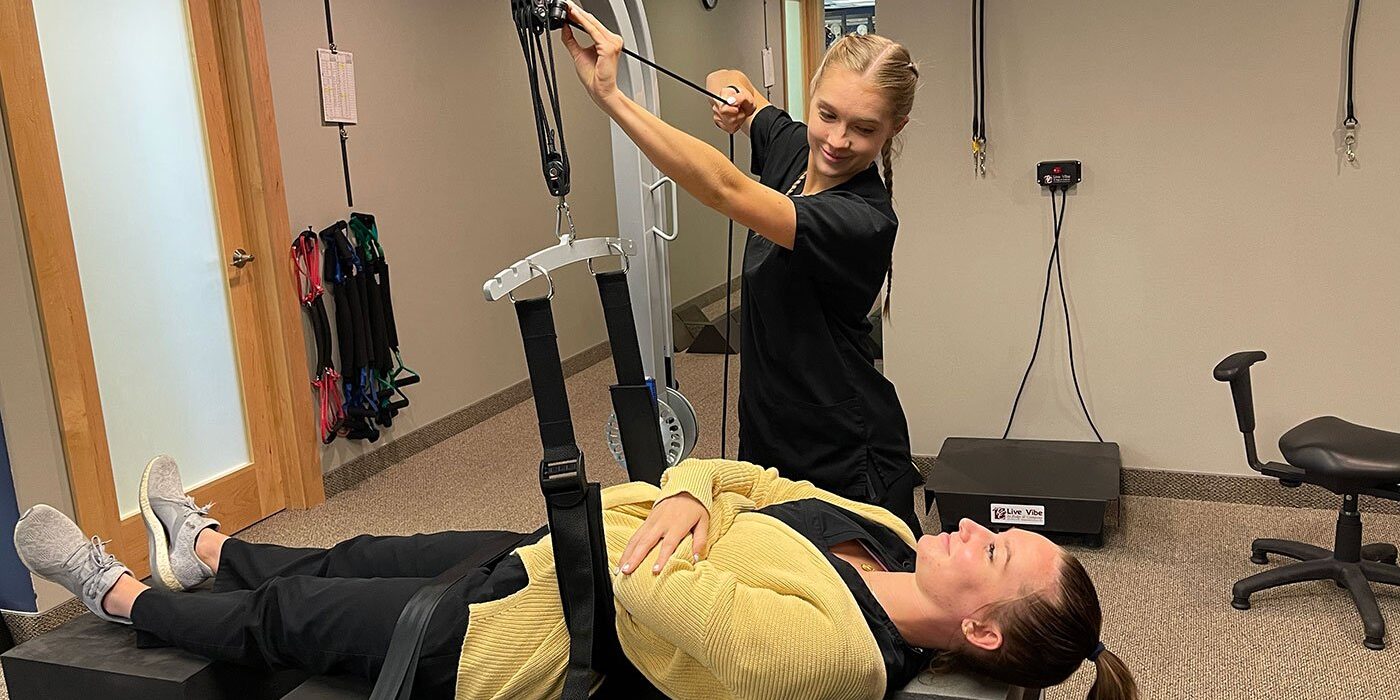
Once your healthcare provider gives approval, it’s time to start physical therapy. Therapists develop a series of targeted exercises to help you build stability and encourage healing. You gradually try more movements as your body adjusts, and clear feedback from your therapist allows safer progress. Your muscles might feel weak at first; daily effort slowly helps improve strength and flexibility. Structured sessions give you direction, but they also help you avoid reinjury as your activity level rises.
Get Post-surgical Herniated Disc Care
Keep track of your symptoms, and let your provider know if new ones appear. Take each step with care, rely on your team for guidance, and reach out if you need help at any point in your recovery. If you have questions or concerns about your post-surgical rehabilitation, talk to your healthcare provider today for guidance suited to your needs.