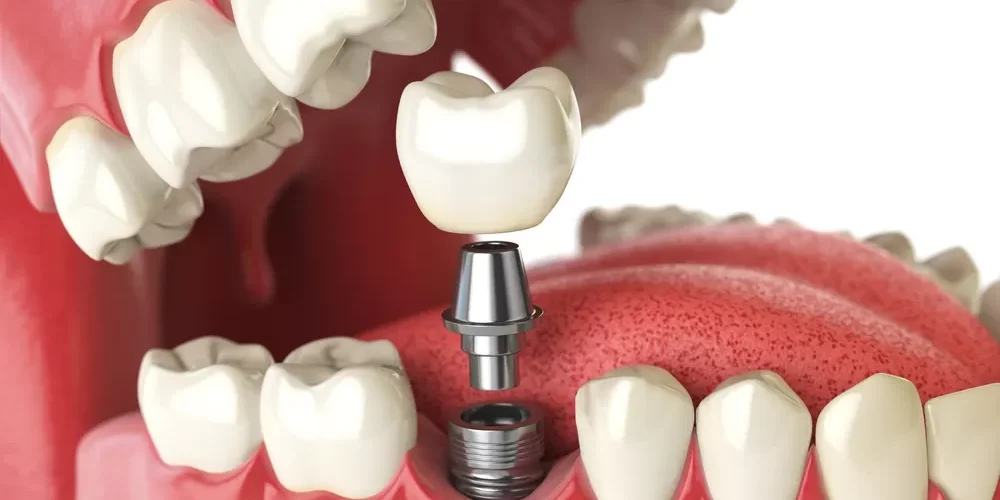
Missing teeth can affect both oral function and the appearance of a smile. Dental implant restorations provide a long-term solution by replacing missing teeth with restorations designed to look and function like natural teeth. Depending on the number and location of missing teeth, several implant restoration options may be available. Understanding these options helps patients make informed decisions about restoring their oral health and smile. Here is more information about dental implants and their benefits:
Replacing a Single Tooth
A single dental implant is a common option for replacing one missing tooth. The restoration combines a dental implant with a custom-made crown that is designed to blend naturally with the surrounding teeth. This approach restores the appearance of the smile while providing stability and function similar to a natural tooth. The final restoration is tailored to fit comfortably within the patient’s bite.
Replacing a missing tooth helps restore normal chewing and speaking function. A dental implant also supports the jawbone in the area of the missing tooth, which may help maintain bone structure over time. In addition, replacing the tooth helps prevent neighboring teeth from shifting into the empty space. These benefits contribute to long-term oral health and overall dental function.
Restoring Multiple Teeth
An implant-supported bridge is often used when several teeth are missing in the same area. This restoration anchors replacement teeth to dental implants rather than relying on neighboring natural teeth for support. The design helps restore chewing function, maintain bite stability, and distribute pressure more evenly across the restoration. An implant-supported bridge also helps prevent adjacent teeth from shifting and supports the jawbone in areas affected by tooth loss. This approach provides a durable solution that closely replicates the function of natural teeth.
Protecting Long-Term Health
Dental implants do more than replace missing teeth. They help support the jawbone and maintain the structures that contribute to long-term oral health. Unlike removable tooth replacement options, implants integrate with the jaw and provide stability that helps preserve bone in areas affected by tooth loss. This support plays a role in maintaining the alignment and function of the smile.
Signs that may indicate the need for an implant restoration include:
- Missing a tooth or having a visible gap in the smile
- Having a loose or damaged crown on an existing implant
- Experiencing discomfort or changes in bite alignment after tooth loss
Addressing these concerns early helps prevent additional oral health complications. Timely evaluation and restoration support the function of remaining teeth and contribute to long-term dental stability.
Choosing a Trusted Provider
The success of a dental implant restoration depends on careful planning, precise placement, and ongoing attention to oral health. A comprehensive evaluation allows the dentist to assess the condition of the teeth and jaw before developing a customized treatment plan. Providers often work closely with specialists to support proper implant placement and the accurate design of the final restoration. Advanced technology helps create crowns and bridges that fit comfortably and function naturally. Throughout the process, a patient-centered approach supports clear communication and informed decision-making at every stage of treatment.
Schedule Your Dental Implants Consultation
Dental implant restorations provide a long-term solution for replacing missing teeth and restoring oral function. Treatment options are available for single missing teeth, multiple missing teeth, and other restorative needs. Properly planned restorations can support chewing, speaking, and overall oral health for years to come. Schedule a consultation today to learn which implant restoration option is right for your needs.