Cosmetic dentistry services include dental treatments that focus on the appearance of your teeth, gums, and smile. These procedures address concerns like discoloration, chips, gaps, and uneven shape. Porcelain veneers are one common cosmetic option, which involves placing thin shells over the front surface of teeth to change their appearance. Here’s more information on the process of getting porcelain veneers:
Minor Dental Corrections
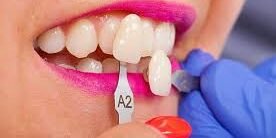
Veneers work well for small cosmetic concerns that do not require major orthodontic treatment. They cover the visible surface of a tooth, so dentists often recommend them for spacing issues, staining, or minor irregularities. The shells are custom-made to match your natural teeth in size and color. Veneers can adjust the look of teeth that appear short, chipped, or slightly uneven. They can also reduce the appearance of small gaps between teeth. Because each porcelain shell is made for an individual tooth, the dentist controls the final shape and alignment. The result is a more uniform front surface across several teeth.
Some stains do not respond to standard whitening methods, but veneers cover the front of the tooth, which changes the visible shade. Dentists select a color that blends with the surrounding teeth and shape each shell to fit the specific tooth. This approach targets the tooth’s appearance without altering its internal structure, offering an alternative way to manage minor dental concerns.
Fast Procedure Times
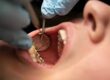
The veneer process usually takes place over a few appointments. During the first visit, the dentist examines your teeth and discusses your goals. They may take images or impressions to plan the design, as this takes measurements for your custom shells.
At the preparation appointment, the dentist removes a thin layer of enamel from the front of each tooth. This step creates room for the veneer to sit flush against the tooth. The dentist then takes an impression, and a dental lab uses it to fabricate the final veneers. You may receive temporary veneers while you wait for the permanent ones to be created.
The next visit is the bonding appointment, which is often shorter than the preparation visit because all the planning has been done. The dentist checks the fit and color, makes small adjustments, and then attaches each veneer with a bonding agent. A curing light hardens the material to hold the shell in place. Most patients can return to normal activities the same day.
Durable Results
Porcelain veneers resist surface stains and hold their appearance over time, but there are other options available. The longevity of veneers depends on the material used and your daily habits with them. Regular brushing, flossing, and dental checkups support their condition and promote longevity. With consistent care, veneers can last for many years before they need replacement. Avoiding biting hard objects, such as ice or pen caps, helps prevent veneer chips. It also helps to wear a night guard if you grind your teeth, since added pressure can shorten the life of any dental work.
Schedule a Veneers Consultation
Veneers can address discoloration, spacing, and minor shape concerns, and they offer lasting results with proper care. The process of getting veneers moves through stages, from planning to bonding. Each step focuses on fitting custom shells that match your existing teeth in shape and color. To learn about your cosmetic dentistry options, schedule an appointment with a dentist. A consultation is the first step toward understanding your options. During this visit, your dentist reviews your goals, examines your teeth, and explains what the procedure involves for your specific case.