
Surgery marks the start of recovery, not the end. Because the body needs structured support to rebuild strength and regain function after a procedure, physical therapy plays a central role in healing. Physical therapy speeds post-surgery recovery by restoring strength, mobility, and function through targeted exercises and manual techniques; understanding how it works helps patients support their recovery. Here is more information on the role of therapy in post-surgery recovery:
What Is Physical Therapy?
Physical therapy is a branch of healthcare focused on restoring movement and function through non-invasive methods. Licensed physical therapists assess a patient’s condition and design a treatment plan tailored to their specific needs, which may address pain, weakness, and limited range of motion. Every surgery affects the body differently, and no two recoveries are identical.
What Does It Involve?
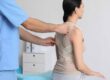
Post-surgery physical therapy involves several distinct techniques, each serving a specific healing purpose. Stabilization exercises help patients regain control of the muscles around the surgical site, and structured exercise programs gradually increase in intensity to build strength without overloading healing tissue. Manual therapy uses hands-on techniques to reduce stiffness and improve circulation, which a licensed therapist performs directly on the patient.
Joint mobilization is common after surgeries involving the hips, knees, or shoulders; this method uses controlled, repetitive movements to restore normal joint mechanics. Therapists apply it carefully to avoid disrupting healing tissue. Flexibility and stretching exercises address tightness that develops during immobilization, which makes them an integral part of post-surgical treatment plans. Each technique targets a different aspect of physical recovery.
How Is Post-surgery Recovery Impacted?
Physical therapy influences how quickly and completely a patient recovers after surgery. Without structured rehabilitation, muscles around the surgical area can weaken, and scar tissue restricts movement. This can lead to long-term functional limitations. When physical therapists intervene early, they help prevent complications by guiding patients through exercises that maintain circulation and reduce swelling.
Recovery timelines vary by surgery type and the patient’s overall health, and therapists adjust protocols accordingly. Patients who follow their prescribed therapy plan may see measurable improvements in strength and mobility. Those who delay or skip therapy sessions risk longer recovery periods, and in some cases, permanent limitations in movement may develop. Consistent adherence to therapy matters because the body’s response to rehabilitation is cumulative and tied to long-term outcomes.
What Are the Benefits?
This type of therapy offers several benefits during post-surgery recovery, including:
- Pain management: Targeted exercises and manual techniques help reduce inflammation and improve blood flow.
- Gradual strength restoration: Structured therapy helps patients regain muscle function lost during surgery and the subsequent recovery period.
- Long-term joint stability: A therapy program that emphasizes gradual progression may reduce the risk of re-injury while supporting functional gains.
Patients who follow a structured plan are better positioned to achieve lasting improvements in function and overall recovery outcomes.
Facilitate Your Recovery Today
Physical therapy plays a central role in helping patients regain strength and mobility after surgery; from stabilization exercises to manual therapy and joint mobilization, each technique addresses a specific part of the healing process. Patients who commit to their treatment plan may recover faster and achieve better long-term outcomes. If you are recovering from surgery, speak with a licensed physical therapist to build a treatment plan suited to your health goals.