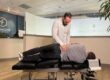

Back pain can make everyday tasks uncomfortable and limit physical activity. Changes to exercise routines, work habits, and sleep practices may help reduce discomfort and support daily function. Here is a closer look at key lifestyle changes that may reduce back pain:
Make Movement a Habit
Regular movement keeps the muscles that support your spine active and strong. Sitting for long stretches tightens muscles, weakens support around the lower back, and often worsens back pain over time. When you add gentle activity to your routine, you improve circulation and help your body stay flexible. Walking, swimming, and light stretching are helpful starting points that place minimal stress on the joints. Aim to break up long periods of sitting, and you will notice that regular and moderate motion often supports comfort better than sudden bursts of exertion.
Reduce Strain During Tasks
Everyday tasks place hidden stress on your back, and poor habits can turn routine chores into triggers of back pain. The way you lift, sit, and position your body matters throughout the day. Here are key areas that deserve close attention.
Lift and Carry with Care
Improper lifting often triggers back pain and strains the lower spine. Bend at your knees, keep the load close to your body, and let your legs carry the weight. When you turn, move your feet instead of twisting your waist to reduce pressure on the spine. Split heavy loads into smaller batches and ask for help with anything that is too heavy.
Set up a Supportive Workspace
A poorly arranged workspace forces your body into awkward positions for long hours. Position your screen at eye level, keep your feet flat on the floor, and support your lower back with a chair that fits your frame. When you sit for long tasks, stand and stretch occasionally to keep your muscles loose.
Prioritize Restful Sleep
Sleep gives your spine time to recover, and the quality of that rest can affect how your back feels each morning. A mattress that sags or fails to support your body can deepen back pain over time. Sleeping on your side with a pillow between your knees often keeps your spine aligned, and back sleepers can place a pillow under the knees for support. Aim for a firm yet comfortable surface to help your muscles relax through the night.
Address Personal Health Factors
Personal health choices affect how your back responds to daily demands. Some factors quietly increase pressure on the spine, while others weaken the muscles that hold it steady. When you address these areas, you strengthen your overall foundation and lower the risk of recurring symptoms. The following habits can help improve discomfort:
- Maintain a healthy weight: Extra weight around the midsection pulls the spine forward and adds pressure to the lower back.
- Stay hydrated: The discs that cushion your spine rely on water to stay flexible, and regular hydration supports disc health.
- Quit smoking: Smoking reduces blood flow to the spine, and it slows the healing of strained tissue.
- Manage stress: Ongoing stress tightens the muscles around your back and neck; breathing exercises, gentle stretching, and short breaks can loosen that tension.
- Strengthen your core: Strong abdominal and back muscles support the spine during movement.
Explore Treatments for Back Pain
Back pain can often be managed through a combination of targeted strategies. Maintaining proper posture reduces strain during prolonged sitting, and ergonomic adjustments create a supportive workspace. Limiting sedentary time, managing stress, and strengthening your core also support long-term spine health. These approaches can help you alleviate discomfort and improve your overall well-being. Contact a qualified pain management specialist near you to book your appointment and explore treatments for back pain today.