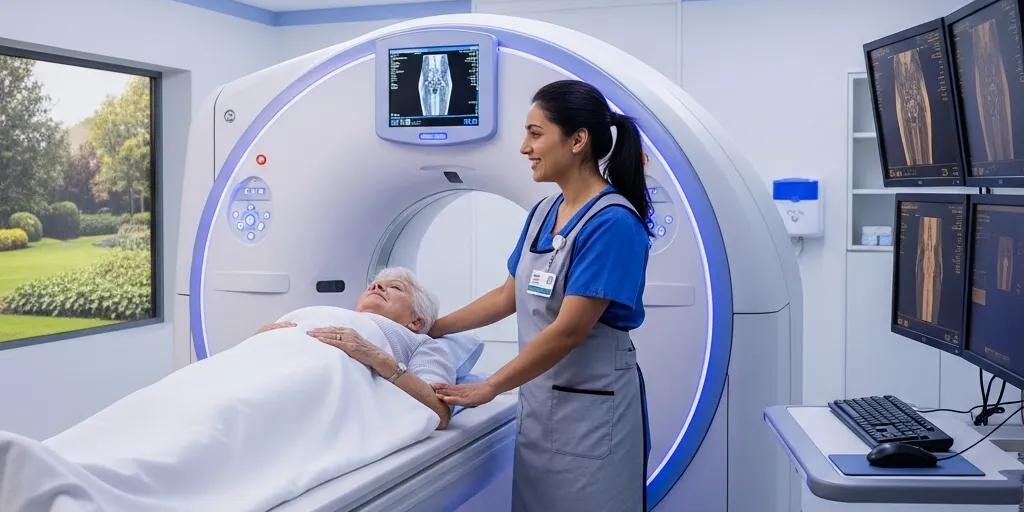
Radiation therapy is a medical treatment that uses planned doses of radiation to target specific areas of the body. It is often used in cancer care, either on its own or along with surgery, chemotherapy, or other treatments. The goal of radiation treatment is to affect targeted cells while limiting exposure to nearby healthy tissue. Treatment plans vary by diagnosis, tumor size, location, and individual overall health. Here’s information on what cancers can benefit from radiation therapy technology:
Brain Cancer
Brain cancer includes tumors that begin in the brain or ones that spread there from another part of the body. Radiation therapy is commonly part of treatment plans for primary and metastatic brain tumors. These treatments are recommended when a tumor cannot be fully removed, when surgery is not the first option, or when treatment is needed after surgery. Modern radiation treatments can be shaped to match the size and outline of a tumor, and this helps direct treatment more precisely.
For some people, highly focused approaches are used for small or clearly defined tumors. Radiation may also be used to treat areas where microscopic disease could remain after surgery. The exact method depends on imaging results, tumor type, and the treatment goal. Some types of radiation treatments available for brain cancer include:
- Image Guidance Radiation Therapy
- Intensity Modulated Radiation Therapy
- Stereotactic Radiosurgery
- Three-Dimensional or Four-Dimensional Conformal Radiation Therapy
- Volumetric Arc Therapy (RapidArc)
Because the brain controls many key functions, radiation planning is detailed and personalized. A radiation oncologist reviews scans, coordinates with other specialists, and designs a treatment plan based on the location of the tumor. This process may take time, but it supports a more targeted approach.
Skin Cancer
Skin cancer is one of the most common forms of cancer, and radiation therapy is used in select cases. The three main types of skin cancer are basal cell carcinoma, squamous cell carcinoma, and melanoma. Basal cell carcinoma is the most common type, and it often develops in areas with regular sun exposure. Squamous cell carcinoma also appears more often on sun-exposed skin, but it behaves differently and may require closer evaluation. While less common, melanoma is often treated differently and requires timely, precise condition management.
Why Does Skin Cancer Develop?
Skin cancer develops when skin cells change and begin growing uncontrollably. Ultraviolet radiation from the sun or tanning beds is a major risk factor, and repeated exposure can damage cell DNA over time. Other factors include:
- Having Fair Skin
- Being Older Age
- Having a History of Sunburns
- Having a Weakened Immune System
Personal and family history also influence risk, making timely screenings and assessments fundamental for proactive health management.
How Is Radiation Beneficial?
Radiation treatments are especially recommended when skin cancer is located in an area where surgery is difficult or when someone is not a good candidate for surgery. Radiation may also be utilized after surgery. This therapy method can help manage tumors near the eyes, ears, nose, or other areas where tissue preservation matters. A radiation oncologist will assess the visible tumor and the surrounding tissue when developing the treatment plan.
Pancreatic Cancer
Pancreatic cancer begins in the tissues of the pancreas, an organ involved in digestion and blood sugar regulation. Radiation technology may be used in some pancreatic cancer treatment plans, often with other forms of care. It may be recommended before surgery, after surgery, or when surgery is not part of the plan.
Because the pancreas sits near the stomach, intestines, and other major structures, treatment planning is complex. Imaging guides the process, and advanced radiation methods can help define the treatment area. Radiation may be used to precisely target a tumor, but the plan must account for nearby organs. A multidisciplinary team often reviews the case, which helps align the treatment strategy.
Benefit From Radiation Therapy
Radiation therapy technology may have a role in treatment plans for many kinds of cancer. The appropriate approach depends on the condition, the location of the disease, and an individual’s medical needs. If you want to learn whether this type of treatment may benefit you, contact a radiation oncologist today. They can explain available options, the planning process, and what to expect during treatment.