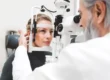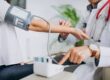

A physician assistant diagnoses illnesses, and they develop treatment plans. The existence of these clinicians reduces wait times for patients because there are more providers available. A physician assistant can perform many of the tasks of a primary care doctor. Here are some ways these clinicians administer care to patients:
Understanding the PA Role
The modern physician assistant is a highly trained clinician. They take detailed medical histories, and they examine patients during routine visits. Since they practice medicine collaboratively, they consult with doctors on complex cases. A provider might prescribe medications, order laboratory tests, or conduct patient education sessions. They guide individuals through difficult diagnoses, and they develop personalized treatment strategies.
Assisting in Medical Facilities
These professionals work with doctors in hospitals, private clinics, and urgent care centers. They handle many routine appointments, so the supervising doctors have more time for complex cases. This is a collaborative approach that streamlines facility operations.
These providers gather detailed patient data upon admission. They perform physical exams, and they coordinate specialist referrals for advanced treatments. When a doctor needs assistance during surgery, the clinician can act as a surgical first assistant. They close incisions, and they manage postoperative care in the recovery ward.
Administering Preventive Care Services
Preventive medicine is one responsibility of a physician assistant. They monitor overall wellness, and they administer various screening tests to adults. When individuals schedule annual physicals, these providers perform comprehensive health evaluations. They educate families about disease prevention, and they recommend appropriate lifestyle modifications.
They offer the following preventive services:
- Ordering routine blood tests to check cholesterol levels.
- Administering standard vaccinations to prevent infectious respiratory diseases.
- Counseling patients about healthy nutrition and daily exercise habits.
- Screening individuals for high blood pressure and early signs of diabetes.
These actions help individuals maintain good health, and they catch potential medical issues early. Medical tests identify silent conditions. They build long-term relationships with families, and they track health metrics over several years. Routine checkups prevent minor issues from becoming severe emergencies. When patients follow preventive advice, they enjoy better long-term wellness.
Managing Acute Medical Conditions
Patients visit these providers for sudden illnesses and unexpected injuries. The clinician assesses the symptoms, and they order diagnostic imaging to determine the cause. Clinicians provide a range of treatments for acute conditions:
- Applying a supportive cast for broken bones
- Diagnosing respiratory infections and prescribing antibiotics
- Suturing minor lacerations
- Managing asthma symptoms in the clinic
- Treating sprains and strains with bracing or physical therapy recommendations
- Administering vaccines to prevent infectious diseases
- Removing foreign objects from the skin or eyes
- Providing pain management strategies for acute discomfort
- Performing wound care, including cleaning and dressing injuries
These acute care services help patients address symptoms early.
Learn More About Physician Assistants
Physician assistants provide diagnostic and therapeutic services. They work in many different clinical environments, and they offer both preventive and acute care to their communities. They improve overall healthcare access, and they elevate the standard of patient care. If you want to learn more about the services that physician assistants provide, consult a clinic with an assistant near you.