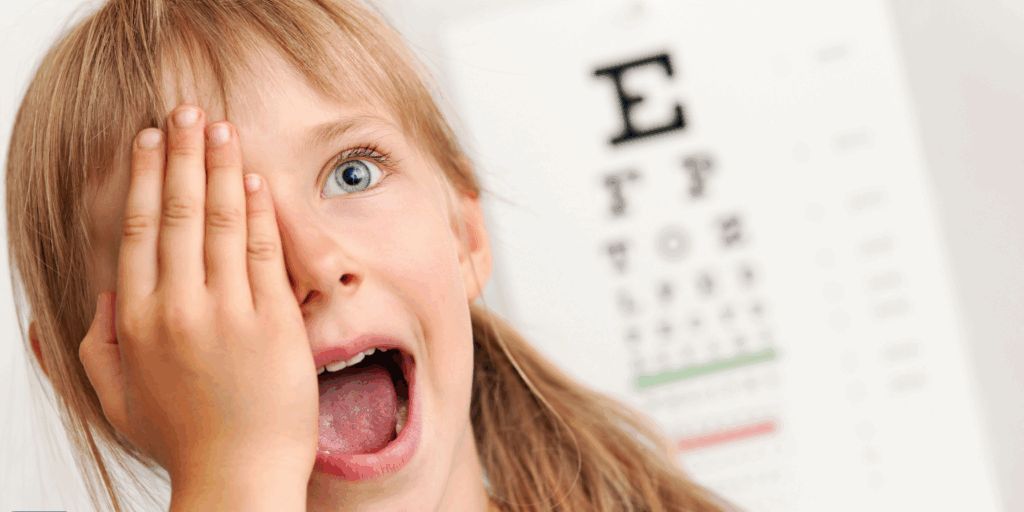
An optometrist is a doctor who specializes in primary vision care, which ranges from sight testing to the management of visual changes. These professionals perform comprehensive eye examinations to evaluate visual acuity and the mechanical function of the eyes. Children should have their first comprehensive eye assessment at six months of age, then another at three years, and another before first grade. Regular evaluations during these developmental years verify that visual milestones are met, allowing for prompt intervention if corrective measures are necessary. Here’s information on what to know about your child’s vision and what to expect if they need eyeglasses:
What Impacts Vision?
Several different elements can influence a child’s visual development, but family history has a well-documented role in determining visual acuity. Genetics provides the blueprint for the physical shape and structure of the eye. If biological parents have corrective eyeglasses for nearsightedness, farsightedness, or astigmatism, their children have a statistically higher likelihood of needing vision correction as they grow.
Overall systemic health and environmental factors also affect ocular function, including:
- Proper Nutrition
- Sleep Habits
- Eye Strain Habits
Prolonged periods of focusing on close objects can increase eye fatigue, while spending time outdoors may support standard visual development. Understanding these factors can help you recognize when visual changes might occur in your children.
What Visual Aids Are Available?
Eye conditions and diseases can be genetic and develop at various ages, so a child can develop issues later in life. When an optometrist determines that vision correction is necessary, they will prescribe visual aids tailored to your child’s refractive needs. Eyeglasses are the most common option for young children. Modern eyeglasses are durable, often featuring impact-resistant polycarbonate lenses that withstand the rigorous activities of childhood. Contact lenses are another viable option, particularly for older children or teenagers who participate in sports. They provide a wider field of unobstructed vision, but require good hygiene practice, such as handling the lenses with clean hands.
How Is Eye Health Maintained?
Maintaining proper eye health requires ongoing attention and established routines after a child receives eyeglasses or contacts. The physical development of the eye continues throughout childhood and adolescence, meaning a child’s prescription can change frequently. You should schedule annual eye exams to monitor these changes and to update prescriptions as needed.
Daily habits also contribute to the longevity of visual health; children should be taught how to clean their lenses with appropriate microfiber cloths rather than abrasive clothing. Some providers may recommend protective eyewear during high-impact sports and screen time to reduce digital eye strain. Implementing the 20-20-20 rule, looking at something 20 feet away for 20 seconds every 20 minutes, can minimize eye fatigue. This may be beneficial during homework or when using a computer for extended periods.
Learn About Eyeglasses
Your child’s eye health should be a priority, starting as early as six months old. Your children are more likely to have eye conditions like myopia if you also have it, so regular eye exams are key. At eye exams, an eye doctor can screen for eye disorders or signs that a disorder may develop. They can also provide eye health tips and prescribe eyeglasses or contact lenses. Make an appointment with an optometrist to learn more about your child’s eye health.