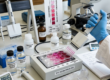
Urgent care is where you get immediate treatment for medical conditions that require prompt attention, such as strains, sprains, and burns. It helps you avoid long emergency room wait times by offering convenient walk-in care. Here is what to expect when you visit an urgent care facility:
Receive Immediate Medical Attention
When you visit an urgent care facility, you receive immediate medical attention from trained professionals. There is a quick triage process in place to prioritize your treatment if you are experiencing a severe condition. With shorter wait times than traditional emergency rooms, it is suitable for those who need immediate attention but do not require hospitalization. Expect on-site diagnostic tools like X-rays and laboratory services during your visit, as well as access to prescription medication if needed. Professional care can help identify the cause of your symptoms and guide appropriate treatment.
Access Comprehensive Health Services
Visiting a facility that provides immediate care gives you access to a range of health services. You can seek treatment for minor injuries, such as sprains, in one location. You are able to schedule routine check-ups at the same facility. Care is also available for common illnesses like colds and infections.
Preventive services, including vaccinations and physical exams, are also offered. These services help monitor your health and identify potential concerns early. You are able to meet with a primary care provider, and they will discuss lifestyle habits or ongoing conditions. Mental health support and counseling are also available at the clinic.
Bring your medical history and a list of current medications to your appointment. This information helps the healthcare team review your situation more clearly and check for possible drug interactions. Your provider may also suggest screenings or vaccinations based on your age, history, or risk factors.
Experience a Patient-Centered Environment
Working with a primary care provider in a patient-centered setting focuses attention on your specific health needs. The provider reviews your medical history, current symptoms, and ongoing conditions to guide care decisions. Care plans are based on this information and are adjusted as your health changes. Primary care providers coordinate with other clinicians, such as specialists or therapists, when additional evaluation or treatment is required.
In this setting, patients take part in discussions about their care and next steps. The provider explains diagnoses, test results, and treatment plans in clear terms and answers questions during the visit; this approach supports informed decision-making and keeps patients aware of their options. Referrals and follow-up care are arranged based on clinical findings and established guidelines.
Utilize On-Site Diagnostic Tools
On-site diagnostic tools support accurate evaluation during your visit. Laboratory testing, including blood work and infection screening, is completed before a diagnosis is made. Results from these tests are reviewed alongside your symptoms and medical history. The provider uses this information to confirm or rule out specific conditions and develop a treatment plan. Imaging services, such as X-rays, are used to assess fractures and other injuries. Ultrasound imaging provides views of internal structures, including organs and muscles. These tools give objective data that supports clinical decisions and guides next steps in care. The tools provide:
- Instant evaluations: You get a timely assessment of your condition and symptoms by skilled medical practitioners.
- Continuity of care: The recent diagnosis is added to your medical records. Should any other treatment be required, you will have a history on record to inform your doctor.
- Effective treatment: Receiving prompt care promotes effective treatment and reduces the potential for future complications.
Seek Professional Urgent Care Providers
Finding a reliable urgent care clinic is beneficial for diagnosing and treating medical conditions. It centralizes services, so tests and assessments are handled at one location. Visit a reputable urgent care center if you have any concerning symptoms, such as severe pain or fever.