A Colonoscopy is a procedure used to examine the inside of the colon and rectum for signs of abnormalities, inflammation, or other digestive concerns. Knowing what to expect before, during, and after the procedure can help patients prepare and make the process more manageable. Here is what patients can generally expect during a colonoscopy:
How Do You Prepare?
Preparation is a fundamental part of the screening process. Before the colonoscopy appointment, the medical team will provide patients with specific dietary guidelines. Patients often drink a specialized laxative solution, and this fluid clears the colon for an unobstructed view. Patients must follow these instructions closely to make sure the doctor gets accurate results.
The patient must adjust certain daily medications prior to the appointment. During the preparation phase, patients should consume only approved clear liquids. Water and clear broths are acceptable choices, but individuals must avoid beverages containing red or purple dyes. The clinic provides a comprehensive list of allowed items, and they will answer any questions about the specific routine.
What Happens During a Colonoscopy?
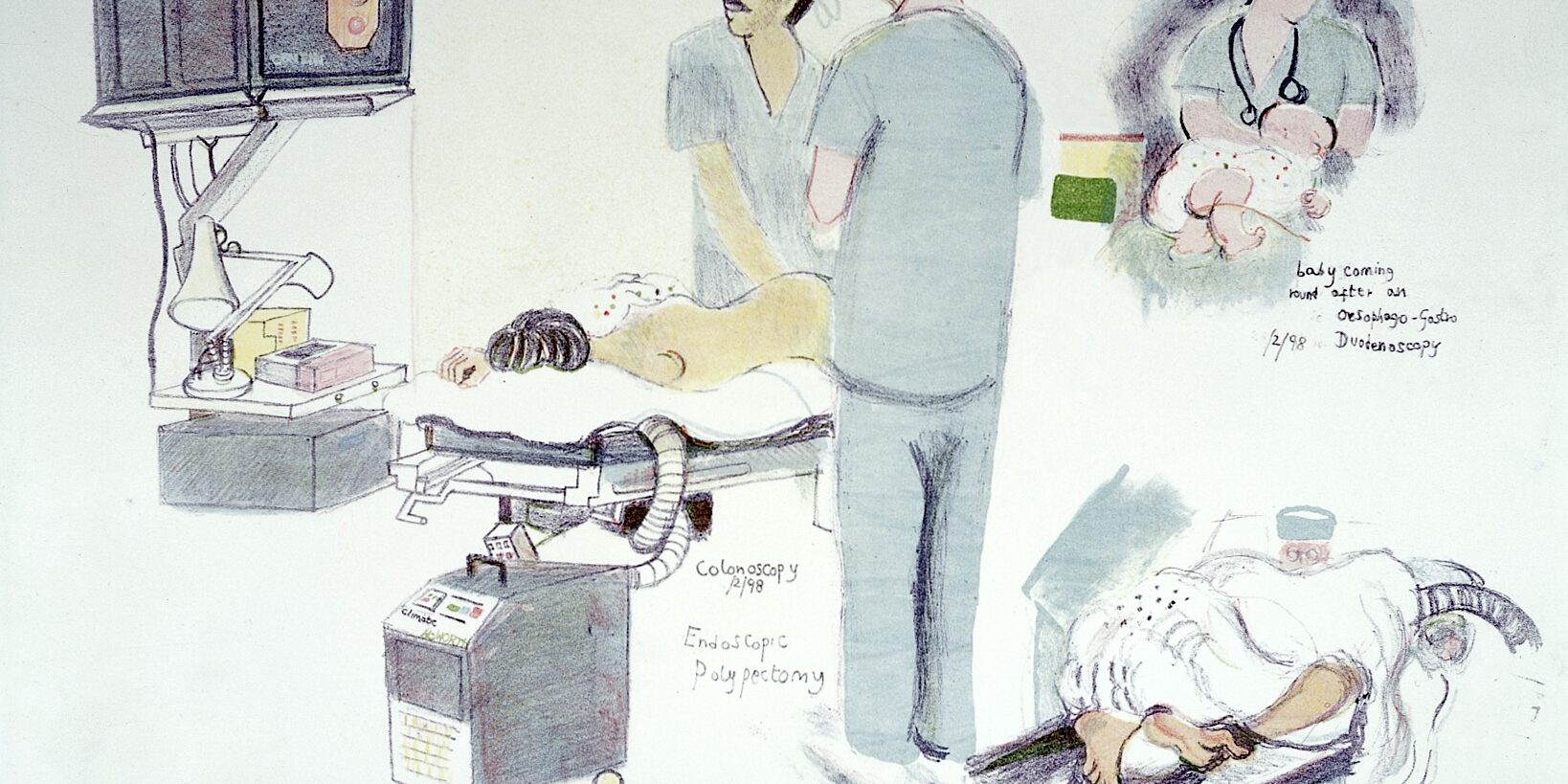
After arriving at the clinic, the nursing staff will prepare patients for the examination. They will receive a mild sedative to keep them comfortable, and the gastroenterologist will begin the colonoscopy process. Here’s what patients can expect:
- Positioning: The medical staff will ask patients to lie comfortably on their left sides with knees drawn toward the chest.
- Insertion: The doctor gently inserts a long, flexible tube called a colonoscope into the rectum to view the lower intestine.
- Observation: A tiny camera transmits high-definition images to a monitor, allowing the doctor to thoroughly examine the intestinal lining.
The doctor navigates the scope carefully through the entire large intestine. As the camera moves along the colon wall, the physician checks the tissue for any abnormal changes. The medical team monitors the patient’s vital signs throughout the process.
What Else May Be Included?
A doctor may find small polyps during a colonoscopy. If the physician detects these abnormal tissue growths, they will remove them immediately using specialized tools. This can effectively prevent colon cancer from developing, and it serves as a successful preventive health measure.
The procedure often includes taking tiny tissue samples from the intestinal lining. When the doctor performs a biopsy, they send the collected tissue to a medical laboratory for testing. The lab analyzes the sample for signs of disease, and the clinic shares the final results with the patient a few days later.
What Happens After the Procedure?
The recovery phase begins immediately after the colonoscopy procedure. Although patients may still feel groggy from the sedative, the medical team will monitor them safely in a quiet recovery room. Here’s what patients can do to aid recovery:
- Arranging transportation: A trusted friend or family member must drive the patient home safely from the medical facility.
- Resting at home: Patients should relax quietly for the remainder of the day, avoiding heavy physical work.
- Resuming diet: Individuals can usually eat normal meals shortly after the appointment concludes.
Some patients experience mild bloating or trapped gas after the exam. While this temporary discomfort is common, it usually resolves quickly on its own as patients walk around.
Schedule Your Colonoscopy Exam Today
A routine colonoscopy is a reliable tool for maintaining gastrointestinal health. Although polyps rarely show obvious symptoms, this detailed bowel exam detects issues early for prompt medical intervention. Patients can protect their long-term health through regular screenings. Contact a qualified gastroenterologist near you to schedule your colonoscopy exam today.