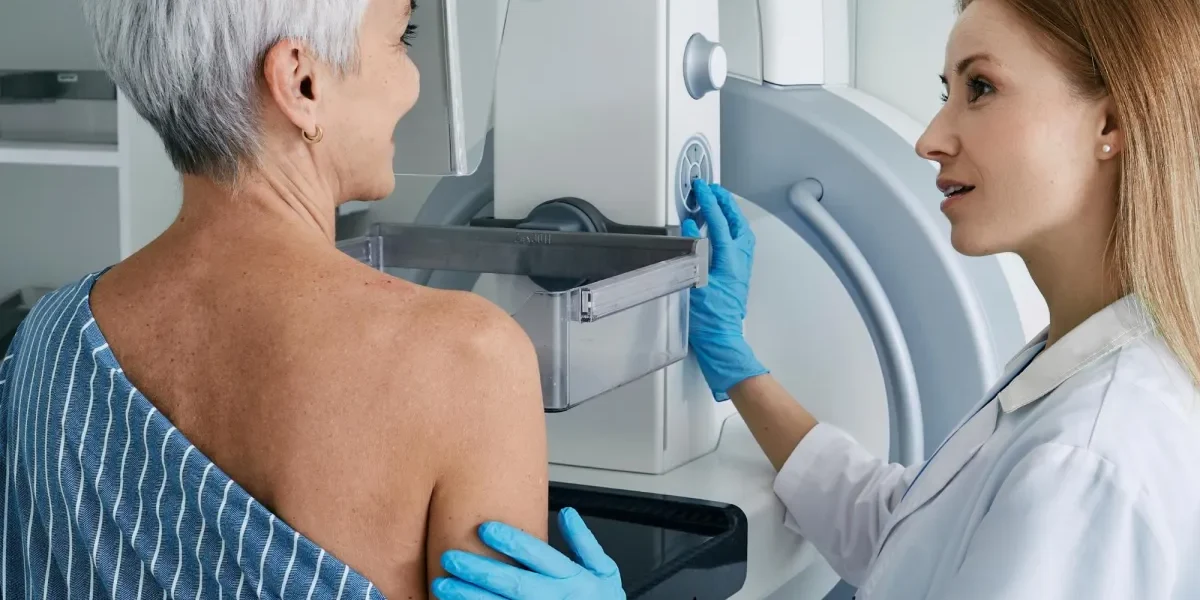
A mammogram is a specialized medical test of the human breast, and it can help to detect cancer early. Doctors use it to view internal structures, and the images reveal hidden tissue details perfectly. Because modern technology creates clear pictures, medical staff rely on it for early disease detection. Here is more information on mammograms and how they can help:
Delivers Low-dose X-rays
The standard procedure involves three specific elements:
- Flat plastic compression plates
- Brief low radiation bursts
- High-resolution digital pictures
Since the required dose remains quite low, the radiation risk may be minimal. The skilled technician operates the unit quickly, and the machine captures the needed views immediately.
Detects Breast Cancer Early
Abnormal cells sometimes grow quietly inside the body, and they form small masses over time. Before a lump becomes large enough to feel physically, the X-ray often reveals it clearly. Finding these issues early typically gives doctors more treatment options for the patient.
Doctors carefully analyze the digital scans for tiny white spots known as microcalcifications. While these tiny white spots may look harmless, they sometimes indicate early cancer stages. The radiologist reads the images thoroughly, and a detailed report goes directly to your doctor.
If the medical specialist sees a mass, they closely examine its outer borders. Spiky borders suggest a problem, but smooth edges usually indicate a harmless condition. Identifying these particular shapes quickly changes the medical approach for the individual.
Rules Out Cancer
Not all tissue changes mean cancer, and many healthy women simply have dense breast tissue. These dense fibrous areas look entirely white on the final digital imaging results. While this can sometimes make interpreting the scan more challenging, the radiologist uses both current and previous images to look for meaningful changes, and this detailed approach supports your health with practical reassurance.
Most abnormal exam findings eventually turn out to be benign, and this brings relief to both patient and doctor. The review process often involves additional scans or follow-up appointments, but these extra steps help confirm that no serious issues are developing. Because a mammogram can detect many types of tissue changes, they support a thorough and careful evaluation of breast health.
Screens Women Regularly
Routine mammograms provide an ongoing record of your breast health, and this helps doctors detect changes over time. Many clinics recommend a regular screening schedule, and these appointments fit easily into most routines. If you keep each visit, you give your medical team the best chance to notice small changes.
For women with higher risk factors, your doctor may recommend a few extra steps to monitor your breast health:
- More frequent screenings: Your doctor might adjust your screening schedule to be more regular.
- Detailed imaging: You may need more detailed scans to get a clearer picture.
- Personalized advice: Talk openly with your healthcare provider to create a screening plan that fits your specific needs.
Schedule a Mammogram Today
Taking charge of your health starts with clear information, and a mammogram provides valuable insight for you and your provider. Make an appointment when you are due, and ask questions if you need reassurance about the steps or results. Supporting your well-being with practical screening helps you stay informed and proactive about your health.