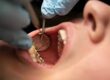
Urgent dental care addresses problems that need fast attention because delay may lead to infection, tooth loss, or worsening pain. You may not know if a symptom is serious, but a few clear signs point to the need for prompt treatment. When pain, swelling, or trauma appear, a dentist needs to examine the area soon. Here are some signs it’s time for immediate urgent dental care:
Significant Pain
A toothache that lasts for hours may signal decay, infection, or damage deep inside the tooth, and the pain typically gets worse with time. Sharp pain requires fast attention. If the pain wakes you, spreads to your jaw, or does not ease with rest, you need urgent dental care.
Pain that throbs or pulses typically points to inflammation around the nerve, and pressure may make it worse. Some people also notice pain with heat or cold. When that response lingers after you eat or drink, the tooth may have a serious problem.
Watch for these pain patterns:
- Issues with throbbing
- Pain with fever
- Pain that spreads to the ear or neck
Painful Bite
A painful bite may mean a cracked tooth, a loose filling, or inflammation around the root, and biting pressure often reveals the problem. This sign is specific. When one tooth hurts each time you chew, a dentist needs to check it soon.
You may notice that soft foods hurt less, but firmer foods trigger sharp pain in one spot. Bite pain typically starts with chewing. Since cracks are not always visible, the damage may grow if you keep using the tooth.
A dentist may ask when the pain starts and whether it stops after you release pressure, and that detail helps narrow the cause. Write down what you feel. If the bite feels off or the tooth seems taller than the rest, swelling or injury may affect the tooth’s position.
Lost Tooth
A tooth that falls out after an accident needs immediate action, and time affects whether it may be placed back into the socket. If the tooth is whole and clean enough to handle, pick it up by the crown, not the root. Rinse it gently with water if dirt is present, but do not scrub the surface or remove attached tissue.
When possible, place the tooth back in the socket and hold it there with light pressure. If you cannot reinsert it, keep the tooth in milk or saliva, and go to a dentist right away. Do not store it dry. As the root surface is delicate, rough handling lowers the chance of successful treatment.
Swollen Areas
Swelling in the gums, face, or jaw may point to infection, injury, or an abscess, and those problems may spread beyond the mouth. Swelling needs attention from a dentist. If the area feels warm, looks red, or grows quickly, seek care without delay.
These signs raise concern:
- Swelling with fever
- Swallowing trouble
Find Urgent Dental Care Today
Dental symptoms do not need dramatic pain to be serious, and delays can make treatment more complex. Act promptly and visit a dentist. If you have significant pain, a painful bite, a lost tooth, or swollen areas, contact an urgent dental provider today and describe your symptoms clearly.