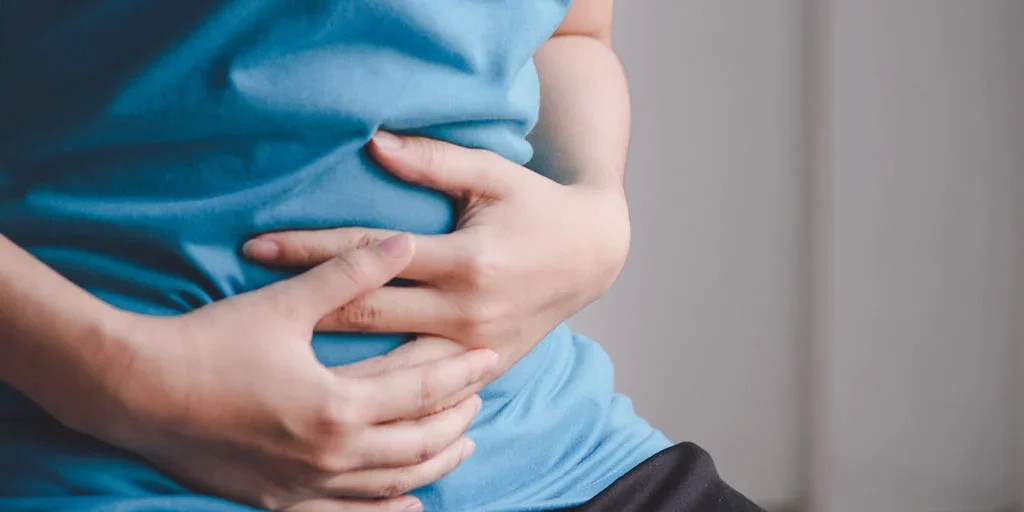
Gallbladder removal, known medically as cholecystectomy, is a common surgical procedure performed to resolve painful symptoms caused by gallstones or other gallbladder issues. Patients may have questions about what to expect following the procedure. The surgery tends to be effective, but it is beneficial to understand the potential long-term effects of living without a gallbladder.
What Is Gallbladder Removal?
Gallbladder removal is a surgical procedure in which the gallbladder is fully excised from the body. The gallbladder is a small organ positioned in the upper right portion of the abdomen, partially attached to the liver. Its primary function is to store bile, a digestive fluid produced by the liver, and release it into the small intestine in response to food intake, particularly fat.
When the body detects dietary fat, sensors in the stomach trigger the release of a hormone called cholecystokinin (CCK). CCK signals the gallbladder to contract and push bile through a duct system into the intestine, where it breaks down fats into smaller, more digestible particles. Cholecystectomy is commonly performed using minimally invasive laparoscopic techniques; this reduces recovery time and surgical risk compared to open surgery.
What Is It Used For?
Cholecystectomy is recommended when gallbladder-related conditions cause persistent symptoms and if the condition does not respond to other treatments. In cases where gallstones are the sole source of discomfort, surgeons may pursue stone removal to preserve the organ. The most common conditions that lead to this removal include:
- Gallstones: Hardened deposits that form within the gallbladder and range widely in size. Gallstones may obstruct the gallbladder’s outlet, triggering episodes of pain, nausea, and vomiting.
- Cholecystitis: Inflammation of the gallbladder, often caused by gallstones blocking bile flow. Acute cases present with right-sided abdominal pain, fever, nausea, and vomiting.
- Biliary Dyskinesia: A functional condition in which the gallbladder fails to eject bile adequately. A HIDA scan can measure bile ejection fraction.
When a stone migrates and temporarily obstructs the pancreatic duct, inflammation of the pancreas may result. This is a condition that typically requires hospital-level care.
What Should You Expect?
Following cholecystectomy, the liver continues to produce bile at the same rate, but without the gallbladder to store and regulate its release, bile flows directly and continuously into the small intestine. For most patients, this physiological adjustment occurs without significant disruption to digestive function. Some individuals may notice changes in the months or years following surgery:
- Digestive Changes: Because bile flows more steadily rather than in concentrated bursts, some patients report looser stools or increased bowel frequency.
- Post-Cholecystectomy Syndrome: A subset of patients experience ongoing symptoms such as upper abdominal discomfort, bloating, or indigestion after surgery.
- Sensitive Bile Duct: Without the gallbladder acting as a regulatory reservoir, the bile duct can gradually adapt by expanding slightly to accommodate bile flow.
- Dietary Tolerance: High-fat meals may be less well-tolerated in the period immediately following surgery.
Many patients who undergo cholecystectomy for biliary dyskinesia also report symptomatic improvement following surgery.
Speak Further With a Surgeon
For many patients, symptoms are relieved after surgery, and the body adapts effectively to the absence of the gallbladder. Every patient’s situation is distinct. A qualified general surgeon can provide a thorough evaluation and outline what recovery may look like on an individual level. Scheduling a consultation is the appropriate next step for anyone seeking guidance on gallbladder surgery or its long-term implications.