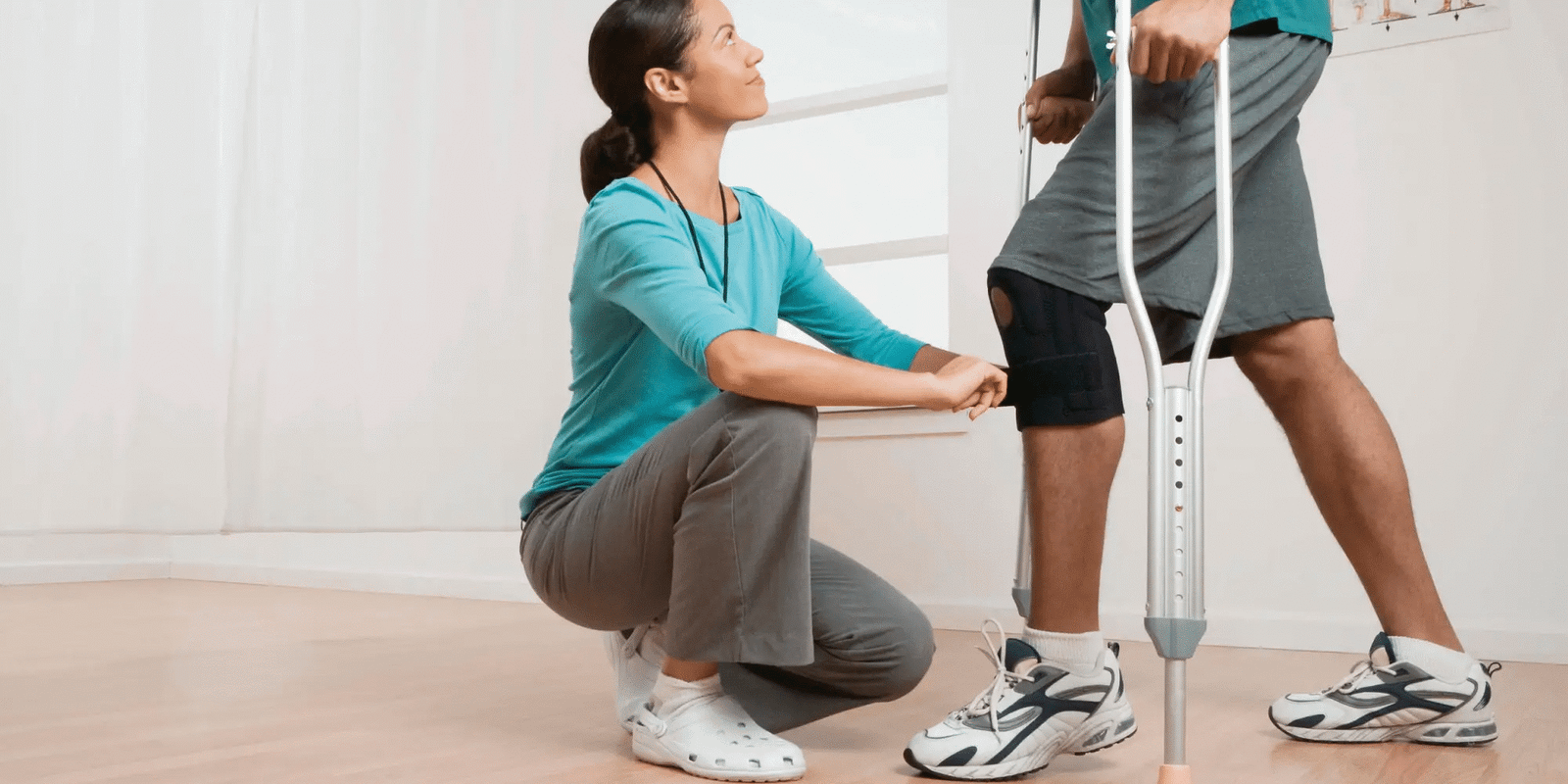
Recovering from surgery can be challenging, but the right rehabilitation exercises can make a huge difference. Post surgery rehabilitation exercises are specially designed movements that help your body heal, regain strength, and improve flexibility after an operation. Whether you have had joint replacement, heart surgery, abdominal surgery, or any other procedure, these exercises are essential for a safe and speedy recovery.
In this article, we will explore why post surgery rehabilitation exercises are important, how they benefit your body, and the types of exercises commonly recommended. We will also provide tips for creating a safe exercise routine and answer frequently asked questions.
Why Post Surgery Rehabilitation Exercises Are Important
After surgery, your body undergoes a healing process that can be slowed down by inactivity. Muscles can weaken, joints may become stiff, and you may lose your range of motion if you do not move properly. This is where post surgery rehabilitation exercises come in.
Benefits of these exercises include:
- Improved Mobility: Gentle movements help restore your joints’ natural range of motion, making daily activities easier.
- Muscle Strengthening: Surgery can cause muscle loss, especially if you have been immobile for several days. Rehabilitation exercises rebuild strength.
- Pain Management: Controlled exercises can reduce pain by improving blood flow and releasing natural pain-relieving chemicals in your body.
- Faster Recovery: Patients who follow a structured rehabilitation plan often recover more quickly than those who do not.
- Prevention of Complications: Exercise helps prevent blood clots, pneumonia, and stiffness, which are common post-surgery issues.
Types of Post Surgery Rehabilitation Exercises
Rehabilitation exercises vary depending on the type of surgery you had, your age, and your overall health. Here are some common categories:
1. Range of Motion Exercises
These exercises are designed to gently move your joints without putting too much stress on them. They help prevent stiffness and improve flexibility.
Examples:
- Ankle circles after leg surgery
- Shoulder rolls after upper body surgery
- Wrist bends and stretches after hand or arm surgery
2. Strengthening Exercises
Strengthening exercises target muscles that may have weakened due to surgery or limited mobility. Strong muscles help support your body and improve balance.
Examples:
- Leg lifts or mini squats for lower body surgery
- Resistance band exercises for arms and shoulders
- Core strengthening for abdominal or back surgery
3. Aerobic Exercises
Aerobic exercises improve circulation, heart health, and overall energy levels. These are usually light activities that gradually increase in intensity.
Examples:
- Walking or treadmill sessions
- Gentle stationary cycling
- Swimming or water exercises (if approved by your doctor)
4. Balance and Coordination Exercises
These exercises reduce the risk of falls and help you regain stability, which can be affected after surgery.
Examples:
- Standing on one leg
- Heel-to-toe walking
- Using a balance board under supervision
5. Breathing Exercises
Surgery, especially chest or abdominal procedures, can make breathing shallow. Breathing exercises help expand the lungs and prevent complications like pneumonia.
Examples:
- Deep belly breathing
- Diaphragmatic breathing
- Using an incentive spirometer (if recommended by your doctor)
How to Start Post Surgery Rehabilitation Exercises Safely
Before starting any post surgery exercises, it is crucial to consult your surgeon or physiotherapist. They can provide a personalized plan based on your type of surgery and recovery stage. Here are some general guidelines:
- Start Slow: Begin with gentle movements and gradually increase intensity. Overdoing it can cause injury.
- Listen to Your Body: Mild discomfort is normal, but sharp pain is a warning sign to stop.
- Follow a Schedule: Consistency is key. Daily or twice-daily sessions often give the best results.
- Warm Up: Even gentle stretching can help prepare your muscles for exercise.
- Use Support if Needed: Walking aids, resistance bands, or chairs can provide safety and stability.
Tips for Effective Recovery
- Stay Hydrated: Water supports healing and helps maintain energy for exercises.
- Eat a Balanced Diet: Protein, vitamins, and minerals help repair tissues and strengthen muscles.
- Track Progress: Keep a journal of exercises, repetitions, and how you feel to monitor improvement.
- Rest Properly: Adequate sleep and rest periods are essential for tissue recovery.
- Seek Help: Physical therapists are trained to provide hands-on guidance and can adjust exercises as you improve.
Common Challenges and How to Overcome Them
- Fatigue: Start with short sessions and gradually increase duration. Split exercises into multiple short sessions if needed.
- Pain or Swelling: Apply ice, elevate the affected area, or consult your doctor for proper management.
- Fear of Movement: Some patients worry about hurting themselves. Supervised exercises and education about safety can build confidence.
- Slow Progress: Recovery takes time. Celebrate small milestones and remain patient.
When to Contact Your Doctor
While post surgery exercises are generally safe, you should contact your healthcare provider if you notice:
- Severe or worsening pain
- Redness, swelling, or warmth at the surgical site
- Fever or signs of infection
- Difficulty breathing or chest pain
- Dizziness or fainting during exercises
Frequently Asked Questions (FAQs)
1. How soon can I start post surgery exercises?
The timing depends on your surgery and overall health. Some gentle exercises may start within a day or two, while others may require waiting weeks. Always follow your doctor’s guidance.
2. Can post surgery exercises hurt me?
If done correctly, these exercises should not cause significant pain. Mild discomfort is normal, but sharp or severe pain should be reported to your doctor.
3. How long do I need to do rehabilitation exercises?
Recovery varies, but many patients continue exercises for 6 to 12 weeks. Some may benefit from long-term routines to maintain strength and mobility.
4. Do I need special equipment for rehabilitation exercises?
Not always. Many exercises use your body weight or household items. Some patients may use resistance bands, light weights, or physiotherapy tools.
5. Can I exercise if I have other health conditions?
Yes, but you should consult your doctor. Your rehabilitation plan may need adjustments for conditions like heart disease, diabetes, or arthritis.
Conclusion
Post surgery rehabilitation exercises are an essential part of the recovery process. They help restore mobility, strength, and confidence while reducing complications. With the right guidance, patience, and consistency, most patients can regain their independence and return to normal activities faster.
Remember, every recovery journey is unique, so always follow your healthcare provider’s instructions and listen to your body. Small, steady steps often lead to the biggest improvements.