A cracked tooth has a break in its enamel that may extend toward the tooth’s soft center, and these typically stay invisible on X-rays and in the mirror. While some cracks cause no symptoms for months, others bring on pain right away. Here are some early warning signs and one simple habit for catching cracked teeth:
Sharp Pain When Biting
A sharp pain while chewing is a telltale sign of cracked teeth. The pain feels sudden, and it typically fades within seconds. It happens because biting pressure pushes the two sides of the crack apart. Molars and premolars crack most often.
The pain may come from one tooth, but it feels spread across a wider area. If the pain shows up only with certain foods, write down those foods. Hard items like nuts, ice, and crusty bread may cause the sharpest pain.
When you notice this pattern, try chewing on the other side of your mouth. This simple step lowers stress on the cracked area. It does not repair the crack, so you still need a dental visit.
Sensitive Temperature Changes
When a crack reaches the dentin, the layer under the enamel, hot or cold foods may cause pain. The ache from a crack typically fades quickly, but pain from nerve damage tends to linger. Track these triggers:
- Iced drinks or ice cream
- Hot coffee, tea, or soup
- Sugary snacks or sodas
- Cold air when you breathe through your mouth
Brief Twinge When Letting Go
Many people feel pain while biting down, but some feel it only on release. This quick twinge is a classic sign of a cracked tooth. The pain occurs when the separated pieces of tooth snap back together. Dentists sometimes call this rebound pain.
The twinge typically lasts less than a second. Since it fades so fast, many patients ignore it for weeks. A short twinge may seem minor, yet the crack may still be growing. Note which side of your mouth it affects.
Regular Examinations
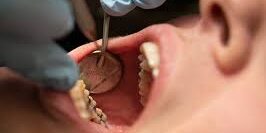
Many small cracks produce no pain in their early stages. Your dentist may find them during a routine visit before you notice anything. Twice-yearly checkups give your dentist a regular look, and they help track changes over time. At an exam, your dentist may use several methods:
- A magnifying lens and bright light
- A dental explorer that catches on crack lines
- A bite test on a small plastic stick
- A special dye that makes cracks easier to see
Since cracks rarely show on X-rays, these hands-on checks fill the gap. Some cracks need only a filling, but deeper ones may need a crown or root canal. Treatment depends on the depth and location of the crack. Your dentist will explain the options for your specific case.
Get Checked for Cracked Teeth
If you notice any of these signs, schedule a dental exam soon. Sharp biting pain, a twinge on release, and temperature sensitivity all point to a possible crack. Until your visit, avoid chewing hard foods on the sore side, and skip very hot or cold drinks. Online booking lets you pick a time that fits your schedule.