
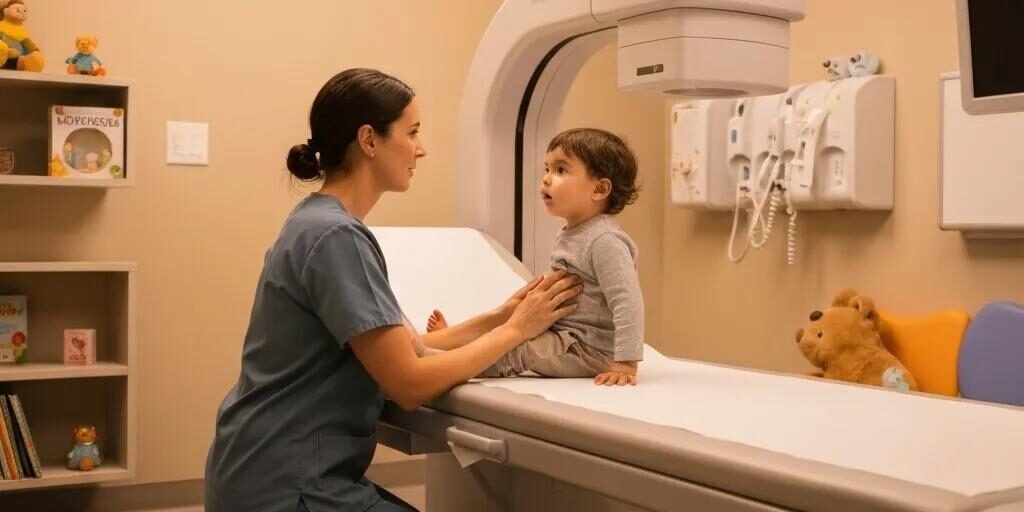
Pediatrics continues to evolve as technology improves how children are diagnosed, treated, and monitored. Digital health records, telehealth, advanced imaging, and remote monitoring tools can help pediatric providers deliver more accurate, timely, and personalized care. Here is a closer look at how pediatrics advances through technology:
Improving Early Diagnosis
Early detection of illnesses is a key step in effective pediatrics. New screening devices scan for problems, and they deliver results in a fraction of the time. When doctors detect conditions early, they can start treatment before symptoms worsen. Advanced imaging machines provide clear pictures of a child’s internal organs. Doctors review these detailed images, and they look for unusual signs that may indicate disease. Laboratory machines analyze blood samples with extreme accuracy. If a result falls outside the normal range, the system flags the file immediately.
Supporting Remote Care
Telehealth platforms connect doctors with patients through video calls. Families can stay at home, and they can still receive medical advice from trained professionals. If a child has a minor rash, a pediatrics specialist can evaluate it through a telehealth appointment.
Remote monitoring devices track vital signs without requiring a hospital visit. Wearable sensors can measure heart rates, and they send this data directly to the clinic. This remote approach prevents the spread of germs in waiting rooms. Sick children rest in their own beds, and healthy children may avoid unnecessary exposure. When a physical exam is truly necessary, the doctor will ask the family to visit the office.
Personalizing Treatment Plans
Medical teams use technology to create individualized care strategies for every patient. Software programs analyze a child’s medical history and generate customized recommendations. Here’s how specialists often personalize treatment plans using technology:
- Genetic testing: Doctors review DNA results to identify the best medications.
- Data tracking: Wearable devices accurately monitor physical activity levels.
- Customized dosing: Software calculates the exact amount of medicine based on a child’s weight.
These tailored approaches make sure children receive precise care. Pharmacists also use computers to check for drug interactions. The software reviews the patient’s current medications, and it warns the staff about possible side effects.
Enhancing Family Communication
Clear communication between doctors and families is a key part of pediatrics. Digital health portals give parents direct access to lab results, and they securely store visit summaries. When families have questions, they can send secure messages to the healthcare team at any time.
Medical clinics also send automated reminders for upcoming checkups and vaccinations. These text messages often reduce missed appointments, and they help clinics run smoothly. Educational materials are available through these digital platforms. Parents can download fact sheets about common childhood illnesses, and they can read guidelines on proper nutrition.
Book Your Pediatrics Care Appointment
Clinics can improve communication, reduce missed appointments, and streamline operations by integrating digital solutions into pediatric care. Providing easy access to educational materials helps families with key knowledge about childhood health, nutrition, and wellness. These advancements make sure families are better equipped to take proactive steps to manage their children’s health. Contact a reputable children’s health practice near you to book your pediatrics appointment today.