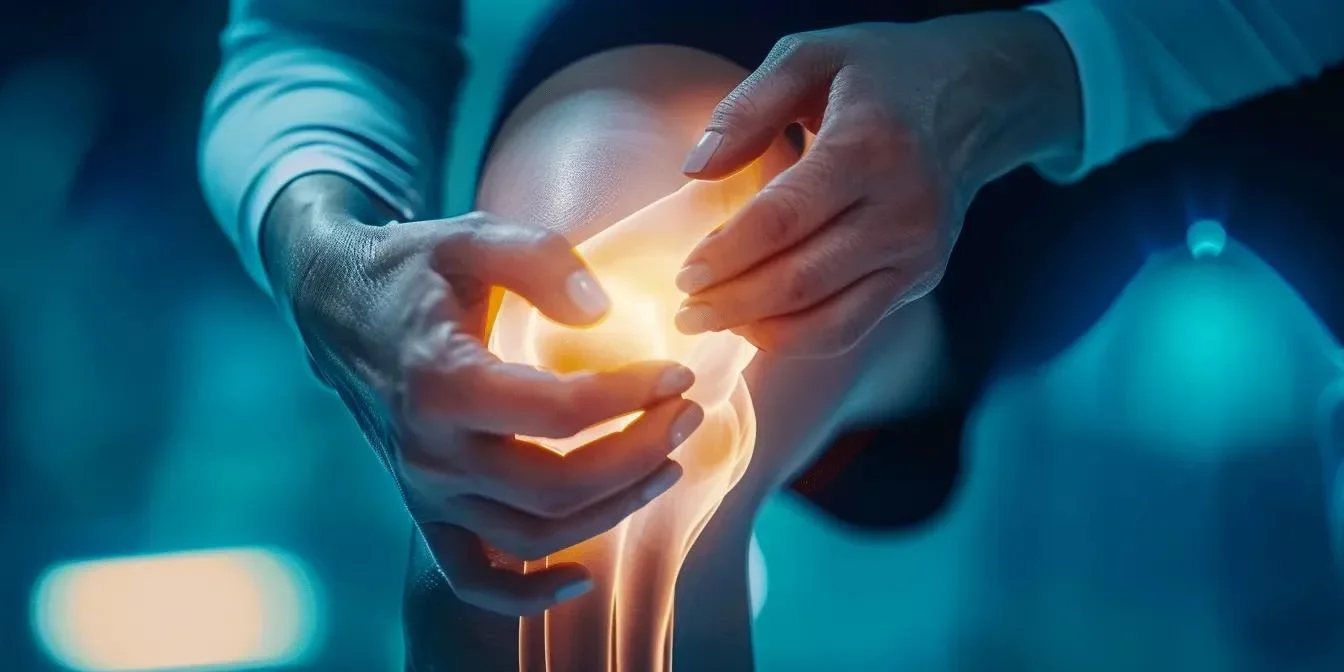
Regenerative medicine focuses on repairing human cells and tissues to restore physical function. Chronic joint discomfort is often treated with these therapies, and patients may experience improved mobility without invasive surgery. By stimulating the body’s natural healing processes, these treatments help reduce pain while supporting long-term recovery. Here are some regenerative medicine approaches to treating joint pain:
Platelet-Rich Plasma
Platelets play a distinct role in your body’s natural healing processes. Your blood naturally contains plasma, red cells, white cells, and a small percentage of platelets. Doctors draw a standard blood sample in the clinic, and they spin it in a centrifuge to isolate the platelets. By concentrating these cells, medical professionals create a fluid rich in growth factors.
They inject this platelet-rich plasma directly into your affected joint space. Practitioners use ultrasound guidance to place the fluid exactly where the tissue requires attention. Over several weeks, the concentrated platelets interact with the targeted joint tissue, and they support the body’s natural repair response. They can help reduce inflammation, regenerate tissue, and improve joint function.
Stem Cell Therapy
Adult stem cells can develop into different cell types, so doctors use them in specialized joint therapies. These undifferentiated cells exist naturally in various tissues throughout your body. Medical providers typically harvest them from your bone marrow or abdominal adipose tissue, which contains higher concentrations of these cells.
The initial harvesting process requires a local anesthetic; this keeps you comfortable during the extraction. After the doctor extracts the raw cells, they process the tissue in a sterile laboratory to separate the necessary components. Medical staff then delivers the concentrated stem cells into the joint experiencing the pain.
Your body utilizes these cells to repair damaged cartilage and calm irritated tissue. Some patients require multiple planned sessions, while others receive just one comprehensive treatment. Physical therapy often accompanies the cellular injections, and this helps maximize your joint mobility over time.
Joint Injections
Joint injections are a minimally invasive regenerative medicine option designed to relieve pain and improve joint function. Cortisone injections are a common treatment used to reduce pain and inflammation in a specific joint. These injections work quickly to relieve pain from conditions such as osteoarthritis or tendonitis. Nerve blocks are an option for managing joint pain that is severe and difficult to control. This treatment involves injecting an anesthetic near specific nerves to interrupt pain signals before they reach your brain; this often provides immediate, though temporary, relief. Your doctor will determine whether these are suitable options for you and how many injections you can safely receive per year.
Visit a Regenerative Medicine Clinic
Living with persistent joint pain affects many aspects of your daily physical routine. A specialized medical clinic completes a clinical evaluation to identify the cause of your physical discomfort, and doctors review your health history to determine which therapies align with your needs. When symptoms persist, patients can receive advanced testing to determine if underlying structural or inflammatory conditions are present. Contact an orthopedic specialist today for a joint pain evaluation.