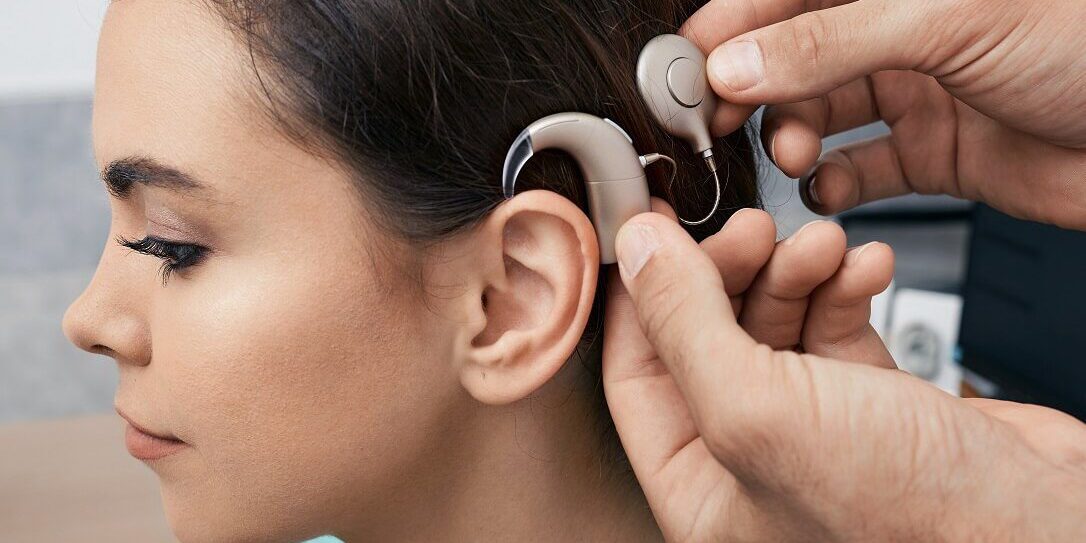
Hearing loss affects many individuals, and it can significantly alter daily communication. Medical technology offers various solutions to address this condition, including hearing implants. These devices provide a practical option for patients with specific types of auditory deficits. Understanding these tools helps individuals make informed decisions about their healthcare options.
What Is Hearing Loss?
Hearing loss is a partial or total inability to perceive sounds in one or both ears. It occurs when there is a physical disruption in the pathway of sound from the outer ear to the brain. This condition ranges from mild to profound, and it requires clinical assessment to determine the appropriate intervention. Some patients with severe forms of this condition eventually evaluate hearing implants as a medical solution.
Specialists categorize hearing loss into three main types based on the affected anatomical structures. Sensorineural hearing loss involves damage to the inner ear, while conductive hearing loss relates to mechanical problems in the middle or outer ear. Mixed hearing loss is a combination of both types, presenting unique challenges.
What Causes It?
Several biological and environmental factors contribute to the development of auditory deficits. Aging is a primary cause of natural hearing decline, but prolonged exposure to loud noises also damages the ear structures over time. Infections, physical trauma, and certain medications can negatively impact the auditory system. Fluid buildup from recurring ear infections can block sound waves, requiring direct medical intervention.
What Are Hearing Implants?
Hearing implants are surgically placed medical devices designed to restore auditory perception. Unlike standard hearing aids, which amplify sound, these implants bypass damaged areas of the ear to directly stimulate the auditory nerve. They consist of internal components placed under the skin, and they rely on external processors to capture environmental sound. Cochlear implants and bone conduction devices are two standard types of hearing implants.
Cochlear implants specifically target severe sensorineural hearing loss. Bone conduction implants transmit sound vibrations through the skull directly to the inner ear, serving patients with conductive or mixed hearing issues. Surgeons determine the appropriate implant type based on the patient’s specific anatomical needs, and the selection process may involve detailed physiological testing and medical imaging.
How Do They Work?
The functionality of hearing implants depends on the coordinated action of external and internal components. An external microphone captures environmental sounds, and a speech processor converts these sounds into digital signals. A transmitter coil then sends these signals across the skin to the internal receiver. The internal implant converts the digital information into electrical impulses for the body to process.
These electrical impulses travel to an electrode array placed inside the cochlea, and the electrodes stimulate the fibers of the auditory nerve. The nerve then sends these signals to the brain. The brain interprets these signals as sound, and the patient perceives this physiological process as hearing. This sequence occurs almost instantaneously, enabling real-time auditory perception.
What Are the Benefits?
Hearing implants offer substantial improvements in auditory perception for eligible patients, and they facilitate better speech recognition in both quiet and noisy environments. Some patients may experience enhanced spatial awareness, which helps them locate the specific source of sounds. The devices also allow individuals to hear environmental sounds, such as alarms or approaching vehicles.
Visit an Ear Clinic Today
Hearing loss presents distinct challenges, but medical interventions offer viable options to restore auditory function. Implants provide a direct method of stimulating the auditory system when traditional amplification fails. Patients undergo thorough evaluations to determine their candidacy for these surgical devices. Schedule an appointment with a specialized ear clinic to explore available implant options.